

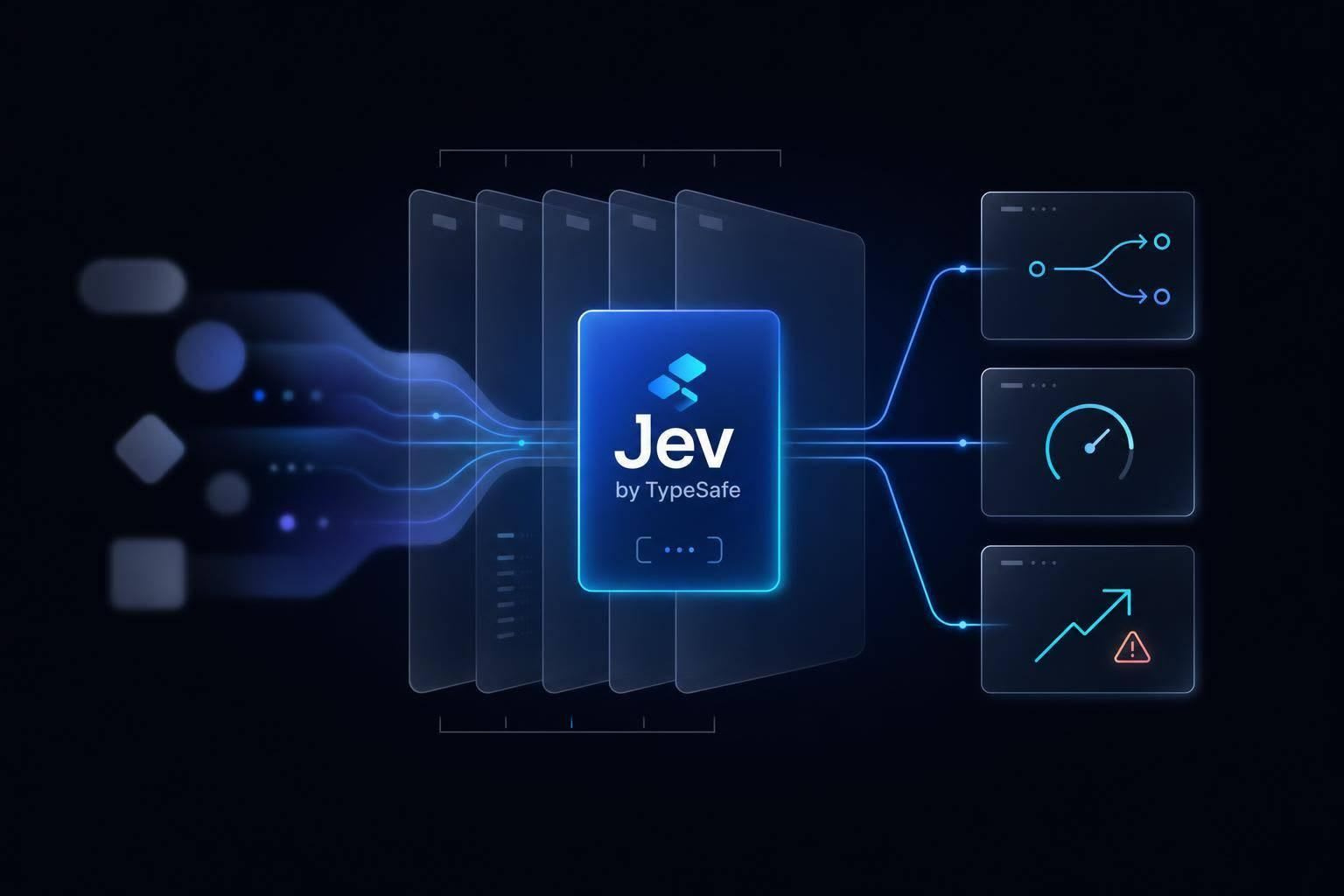
On September 15, a new AI lab called TypeSafe released Jev, a model that doesn’t chat. You can’t ask it to write an email or explain a concept. Instead, a company’s software hands Jev some information, like a customer’s message and their order history, and asks a narrow question: is this person asking for a refund? Jev answers yes or no, says how confident it is, and usually does it in well under a second.
That sounds modest next to chatbots that write essays and code, but Jev goes after a real gap. Much of what businesses want AI to do inside their software comes down to small judgment calls like the refund question, whether that means sorting support tickets, flagging a risky action, or deciding who should handle a request.
As LangChain noted in its post on Jev, developers often hand these jobs to the same large language models that power chatbots, which is a bit like hiring a novelist to sort your mail. The novelist can do it, but the job takes longer and costs more than it should.
Diogo Almeida, who worked on the research behind ChatGPT while at OpenAI, founded TypeSafe because he felt chat models had gotten very good at conversation without producing much actual automation. Jev is his bet that software needs a different kind of model for the small decisions. It’s still in early access, so nobody outside TypeSafe has had much time to test how well it holds up.
Named after a coal economist

TypeSafe named Jev after William Stanley Jevons, a 19th-century English economist. Jevons observed that when steam engines grew more efficient, Britain burned more coal, since cheaper power made new uses for it worth pursuing. TypeSafe expects AI to follow the same pattern: as each answer gets cheaper, companies will find far more questions worth asking.
If TypeSafe is right, companies that send every question to their biggest, priciest model will overpay on the easy ones, and they’ll be asking a lot more questions.
The same problem shows up in coding
Developers using AI coding tools run into a version of this every day. Some requests are hard, such as tracking down a bug that spans several files or working out how a new feature fits into an existing system. Others are routine, like renaming a variable, writing a quick test, or explaining what a function does. The most capable models handle both well, but they charge premium rates for the routine work too.
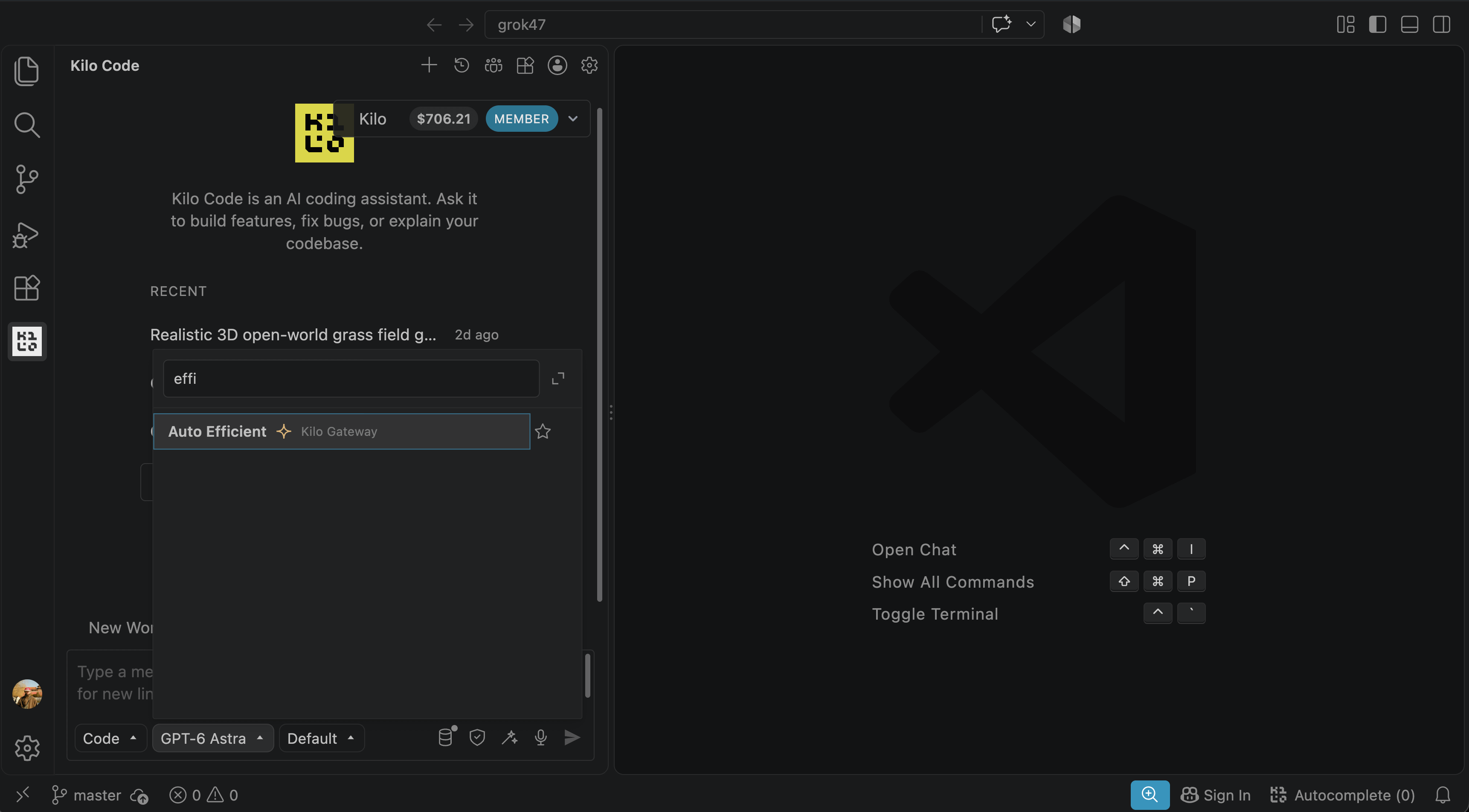
Kilo applies a version of Jev’s logic to coding. Its Auto Efficient model router checks each request against Kilo Bench, Kilo’s own coding benchmark, to find the cheapest model that has shown it can handle that kind of work. A developer asking for a quick rename gets an inexpensive model, while a developer untangling a stubborn bug gets a stronger one, and nobody has to pick from a menu to make that happen.
That routing only helps if the savings reach the developer’s bill. Kilo charges exactly what the model providers charge, with no markup, so a cheaper model means a smaller bill. Developers who would rather make the call themselves can choose from more than 500 models and switch whenever they want.
TypeSafe built a new kind of model to make small decisions cheaply, whereas Kilo takes the models that already exist and sends each job to one that can do it at the lowest price. Both start from the same observation, which is that a lot of AI work doesn’t need the biggest model, and paying for it anyway adds up.