

A typical AI adoption curve: Developers are the skeptics or the converts, engineering leadership sets the mandate, and everyone else waits to see how it lands.

At IntraPhone though, the person who did the most to transform how the company builds software isn’t a developer. He’s a product owner named Robert Lindgren, and he did it by building things himself.
Robert has spent the better part of a decade at IntraPhone, a Swedish home care software company serving 80 of the country’s 260 municipalities. The company has written every line of its own code for 20 years, with no outsourcing and no consultants—a source of competitive advantage, but also of accumulated legacy. As the codebase grew denser, features piled up and development pace slowed. The backlog kept growing faster than the team could clear it.

“We wanted to unlock more speed,” Robert says. “With all this legacy code and more features being added constantly, we needed to find a way to get faster.”
Top-down mandates rarely work in this situation. What actually moves people is seeing something that surprises them: a demonstration that recalibrates their sense of what’s possible.
Understanding this dynamic, Robert decided that rather than making the case in a meeting, he’d do it in code.
The Stealth Prototype
In December 2025, Robert got approval from the CEO to start a solo project to build a proof of concept of a new IntraPhone system: new backend, web application, route optimization, and mobile apps for both iOS and Android. He built it alone, using Kilo, over the course of a few weeks. Just before Christmas, he showed it to the team.
“I knew which pain points we had in the current system,” he says. “I avoided them by making an architecture that was better—because if you know what you know in hindsight, you build it differently.”
The tech lead (and most skeptical member of the team) was impressed enough by Robert’s efforts to spend the Christmas break quietly rewriting a smaller companion product in Spring Boot using Kilo. When the team came back in January, he was nearly done. That rewrite is now in production.
A Product Owner Who Ships
With the team on board, Robert turned to his own work. He started contributing code himself.
Robert has a technical background (Unix since 1995, database administration, hosting infrastructure) but hadn’t been writing production code in his product owner role. With Kilo and CodeScene integrated as an MCP to quality-gate everything generated, that changed. In a recent release cycle, he shipped seven features, including Android dark mode, a long-standing customer request he completed in about four hours to production quality. None of the seven features came back with review comments.
He’s also generated a 14-page sales specification directly from the codebase in a single session, and built two company websites from Figma designs. The legacy codebase that everyone expected to be a problem turned out to be an asset—Kilo noticed existing patterns in the codebase and offered to apply them rather than introducing new ones. “It said, ‘I would have done it this way, but I see you’ve been using this method before, so I’ll apply that to the new code. Is that okay with you?’” he recalls. “That was the real eye-opener.”
“I’m not a programmer, so I won’t take their role, but I can move fast in all directions and show what’s possible,” says Robert. “If the tech lead sees it working, he can convince the rest of the team.”
A Better Bottleneck
IntraPhone’s developers are now moving 5–10x faster than before. The team has shifted from Agile sprints (Fibonacci point estimates, grooming sessions, the full ceremony) to a Kanban-style approach where developers own individual projects end-to-end.
For Robert, the multiplier is harder to quantify, because the nature of his work has changed more than its pace. The tasks that used to get perpetually deprioritized are now just tasks. Documentation, release specifications, sales materials—things that previously required a meaningful time investment to do properly—get generated in minutes, reviewed, and shipped. What he’s doing with the time he’s recovered is thinking creatively: prototyping ideas instead of just proposing them, acting on customer feedback before the moment passes, testing assumptions that would previously have waited months for bandwidth.
IntraPhone had spent years unable to ship fast enough. Then, suddenly, they ran out of tickets. Robert and the company’s designer sat down to plan the roadmap and realized development had outpaced their ability to generate new work. The bottleneck had moved from execution to ideation—a problem they were happy to have.
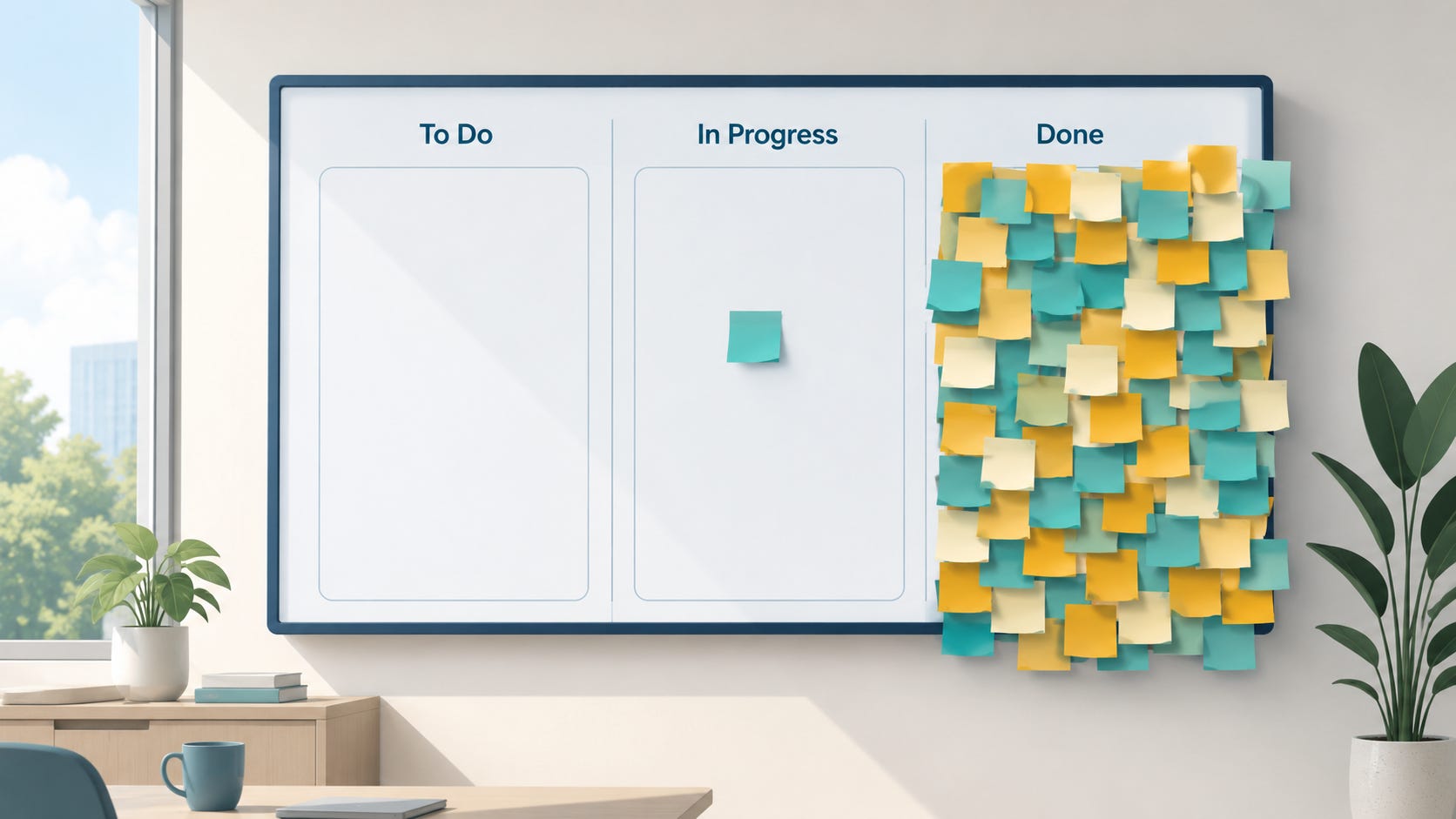
Projects that had been attempted and abandoned multiple times are now shipping. IntraPhone’s iOS app is finally on track to release before summer, with a customer prototype that rated 9.9 out of 10 during testing. Friday morning demos, introduced three weeks ago, have become a genuine highlight: every developer comes prepared with something to show.
“It’s been very uplifting to see them happy about what they’ve produced during the week,” Robert says.
Now Anyone Can Be the AI Champion
The person who champions AI at an organization doesn’t have to be the most senior developer, or the engineering manager, or even a developer at all. In IntraPhone’s case, it was the product owner demonstrating what’s possible. “I feel like Superman,” Robert says. “It’s so much fun to fly around and find problems to solve.”
See the full case study on the Kilo website: https://kilo.ai/customers/intraphone