

Yesterday, I saw an interesting game on the front page of Hacker News: Cursor Camp. The game got pretty popular, with over 1,000 upvotes on HN.
Cursor what? Nope, I’m not talking about Cursor, the code editor. Cursor Camp is a multiplayer game where you use your cursor to point at things.
What’s so interesting about pointing at things? Well, other people are what make the game fun. There’s something satisfying about seeing hundreds of cursors on a screen and knowing they represent different people from different parts of the world.
You can chase other people’s cursors, point at the same thing to show you’re interested in a shared topic, and…well, maybe I’m reading too much into it. :)
I decided to take a stab at rebuilding an MVP version of the game using Kilo CLI + Opus 4.7.
Deciding how to build the game
This turned out to be harder than I thought. I asked Kilo CLI+Opus 4.7 to give me a few ideas (btw, take a look at the docs for help on getting started):
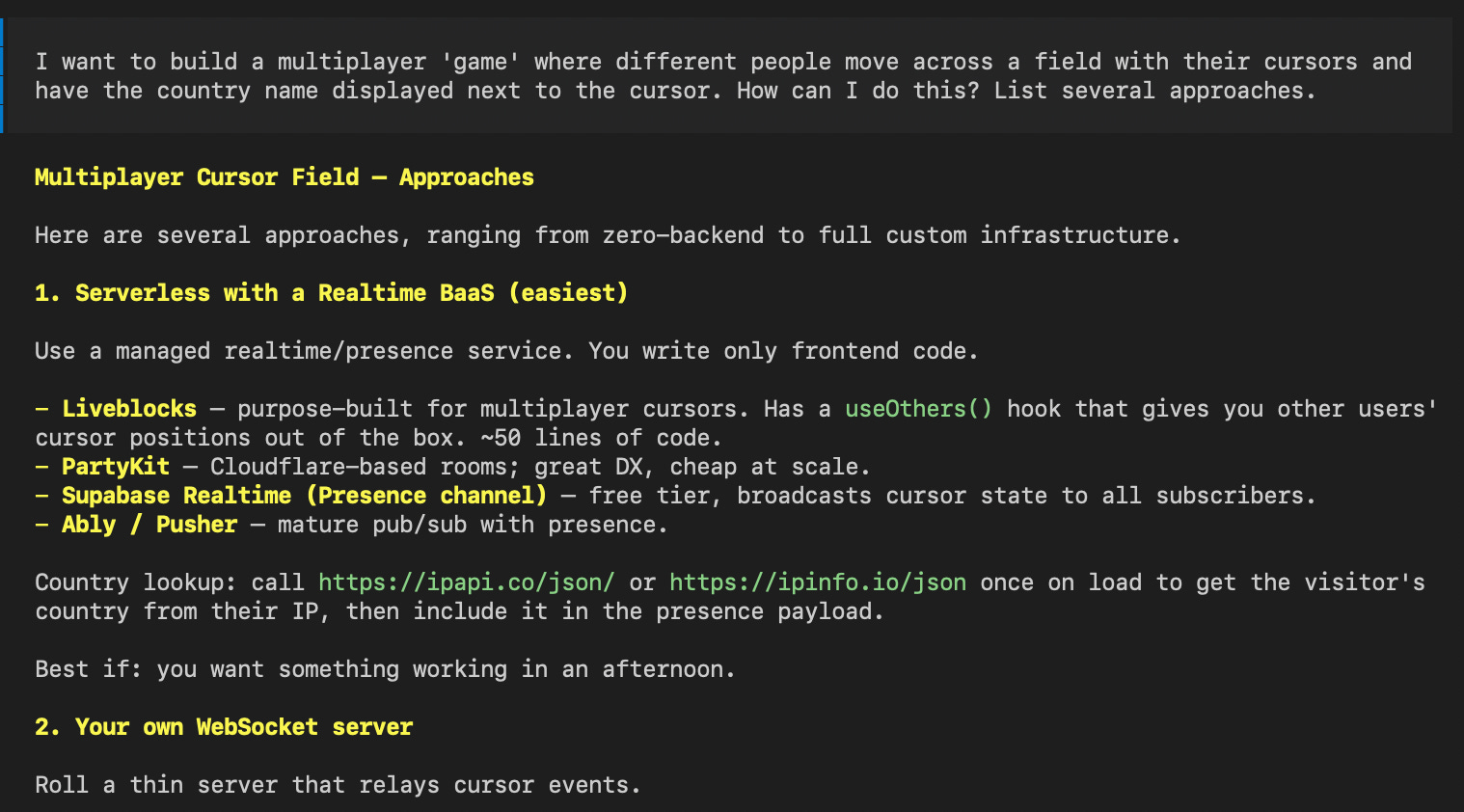
Isn’t there anything… simpler?
I did some research and figured I could use Cloudflare Workers + Cloudflare Durable Objects. I asked Kilo to confirm whether that was a good approach, and I got a positive answer.

However, I’m also aware that LLMs tend to say “You’re absolutely right!” to a lot of things, do I needed to do some additional research to verify that Workers+Durable Objects have everything I need to make this happen: real-time cursor updates, shared room state, connection management, and a simple way to deploy everything without standing up a separate backend.
Finally, I asked the agent what it needed from me, and it gave me a bunch of questions, which was useful:
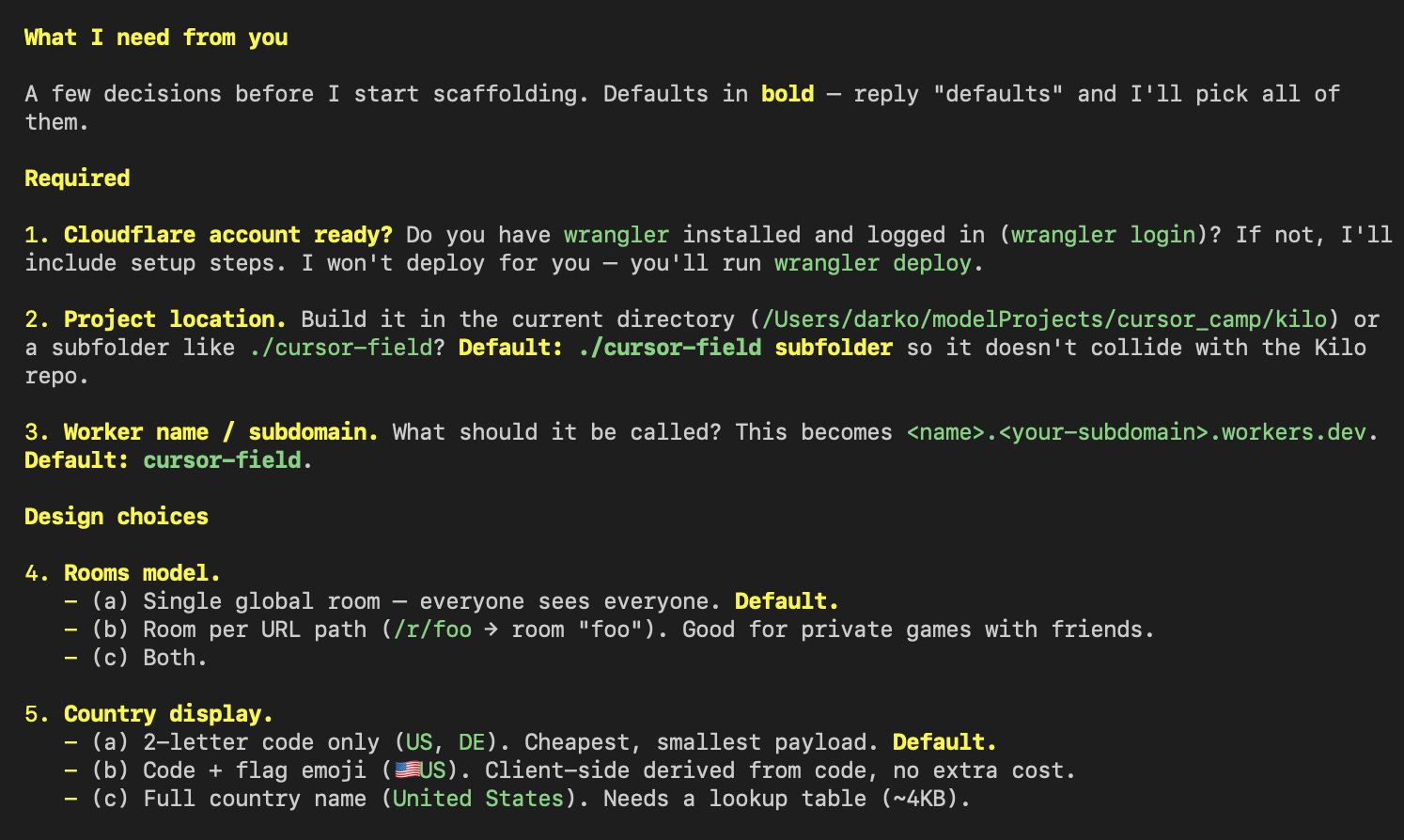
This reminded me of a recent talk by Matt Pocock, where he had a skill that asked him dozens of questions before starting a project. Highly recommended watch.
Building the game
Now for the hard part…waiting .
After I answered eight questions, Kilo CLI got to work. It created a to-do list:
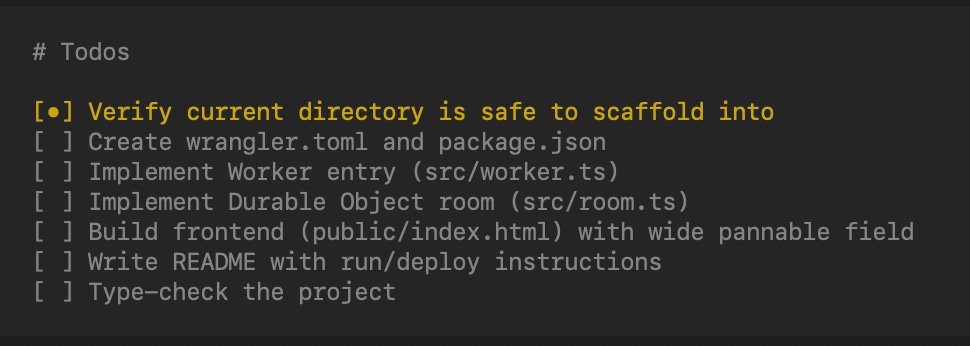
…and then got started.
After about 2 minutes, 1000s of tokens and spending ~$3, I’ve had a final version:
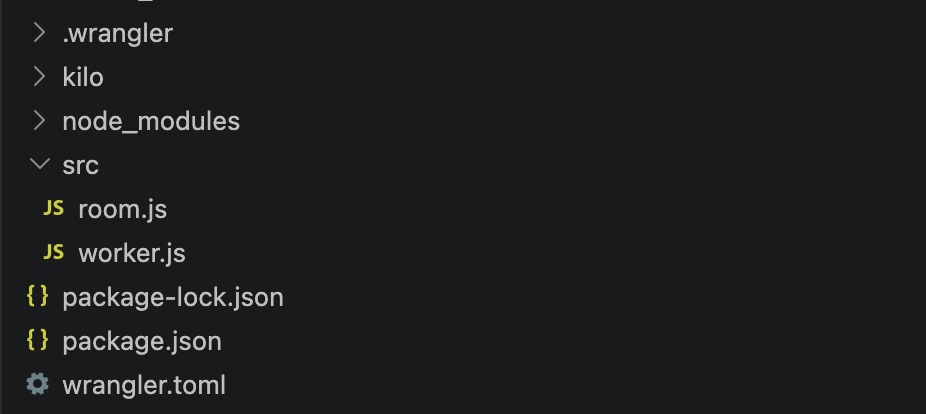
This was all hosted on Cloudflare, so I needed to run npx wrangler dev and npx wrangler deploy.
Want to try Kilo CLI? Get started here.
I really liked the simplicity of the code. room.js contained a single class, CursorRoom, with112 lines.
worker.js was a bit more complex, with all kinds of JavaScript logic for capturing click events, and so on.
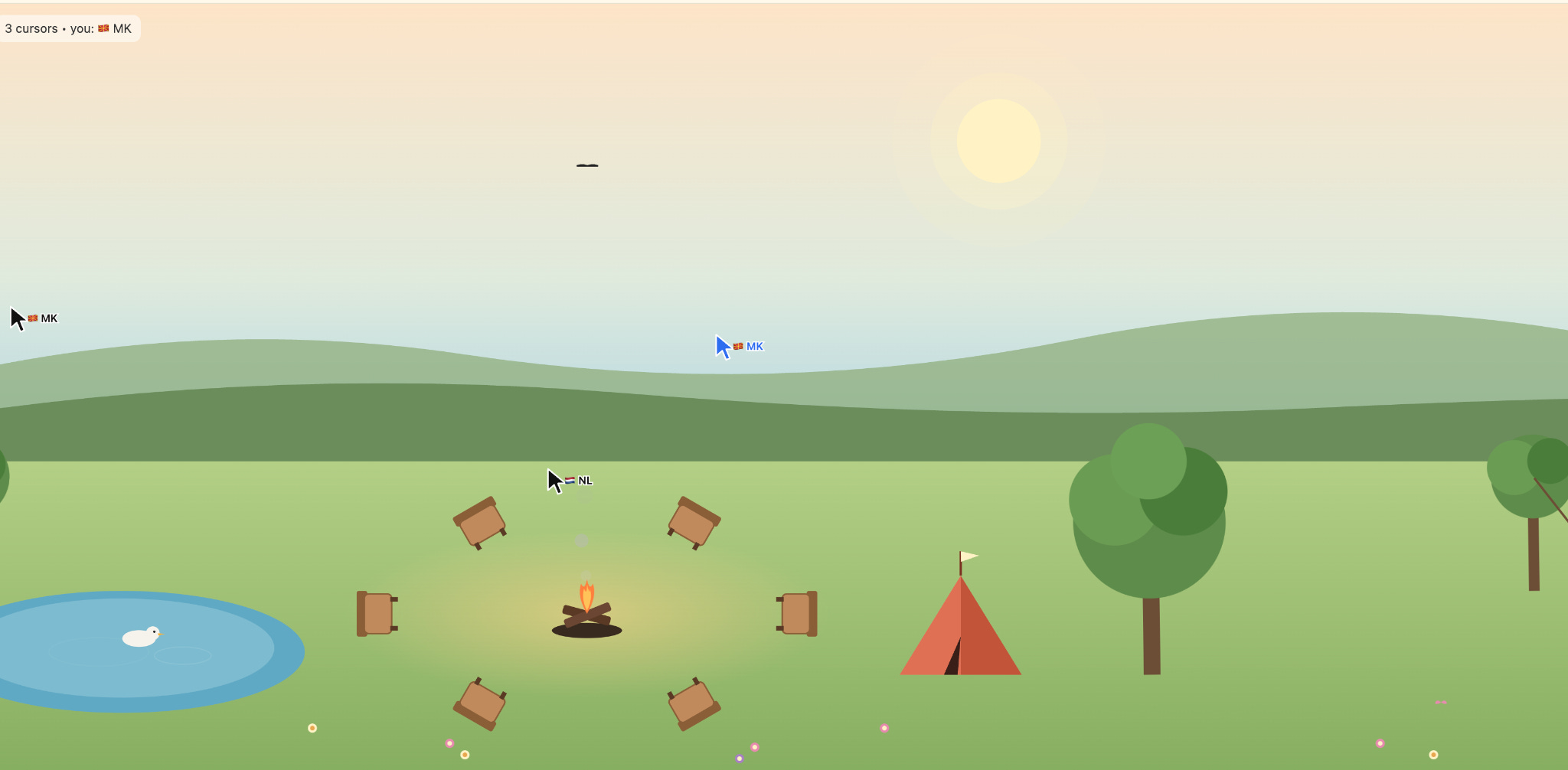
It wasn’t as pretty as the original version, but it was a good start.
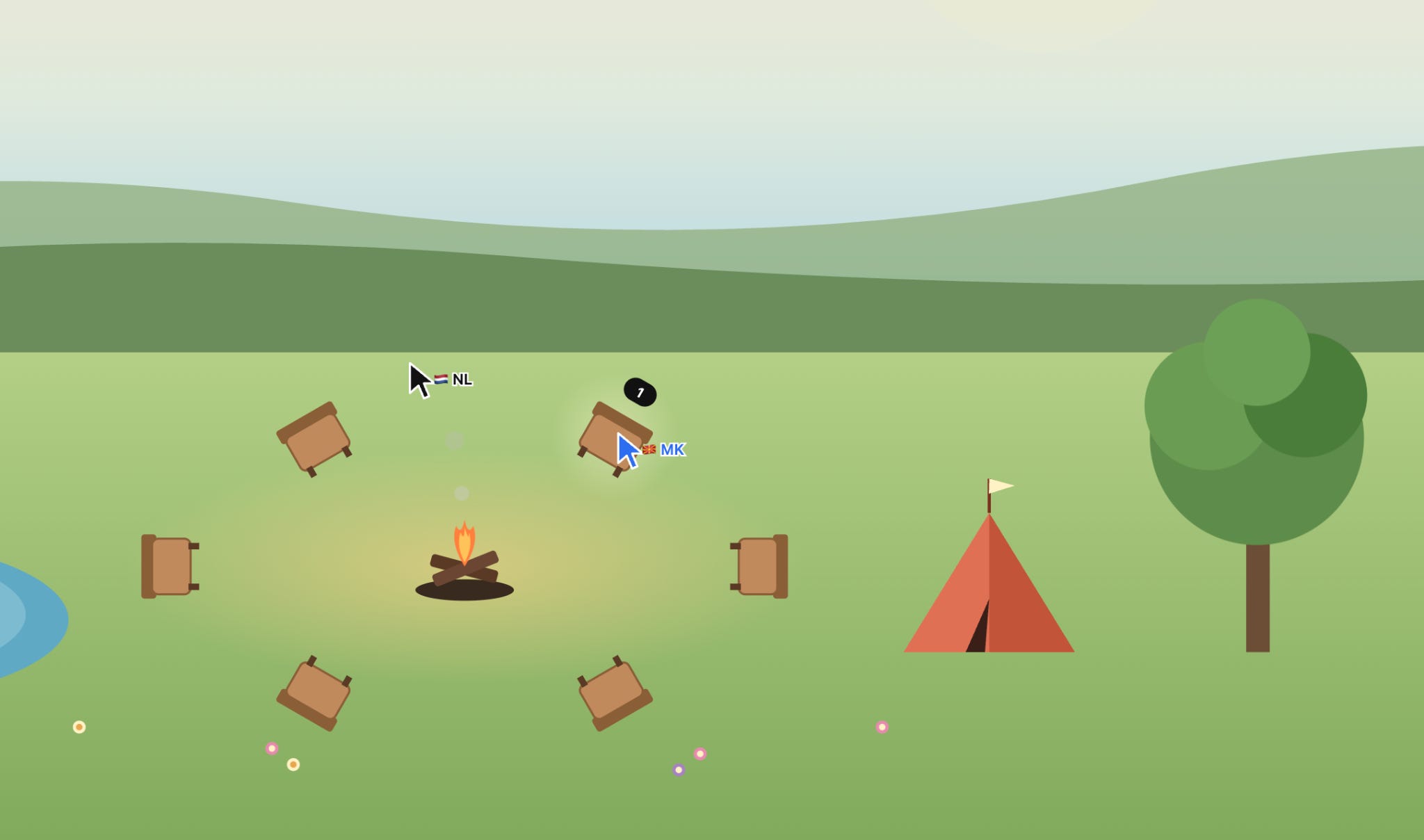
One nice touch was that you could see how many people were pointing at an object at the same time:
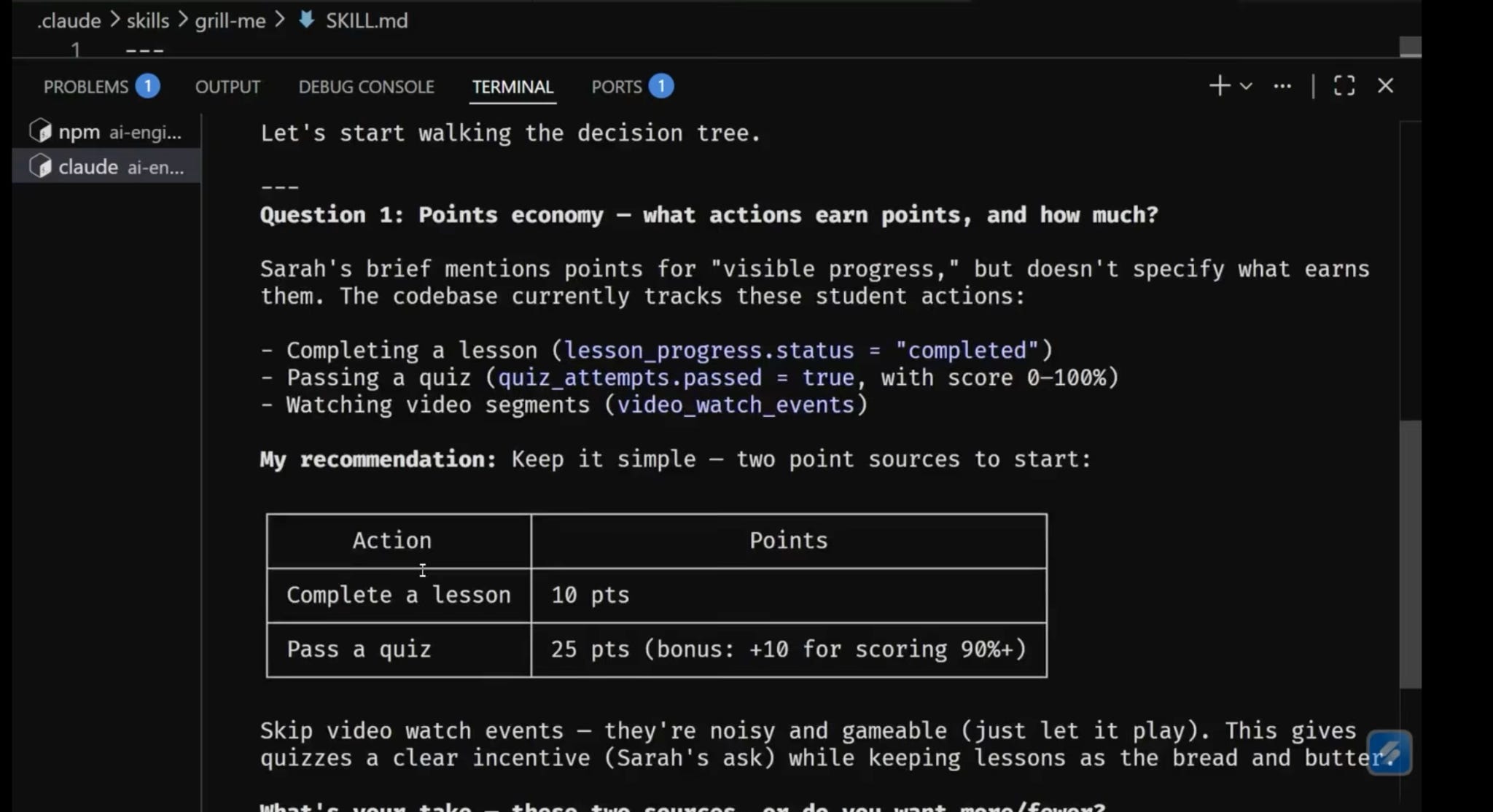
I think one of the reasons why I got a good version on the first go is because I answered a lot of questions upfront.
Matt Pocock does the same using Claude Code in his talk. According to Matt, this beats a “spec-driven” development approach where you keep going back and forth between the spec and the code. Better to spend an hour answering the hard questions upfront than to save them for later and create a ton of headaches for yourself down the road.
The bottleneck is choice, not implementation
One lesson from all this is that when you go beyond something simple, like building a Snake game, the bottleneck becomes integration, not implementation.
Kilo CLI+Opus suggested using multiple stacks:
Supabase Realtime
Supabase + Cloudflare
Liveblocks
PartyKit
Cloudflare Durable Objects
WebSockets
After doing some research and finding Cloudflare is the simplest way to get this done, I wondered: Is there a way for the LLM to give you this answer?
Well, after experimenting with several prompts, it turns out there is such a way.
When an agent suggests several tech stacks, ask this: “Which stack would let you build this app the fastest?” Here’s the response that I’ve got:
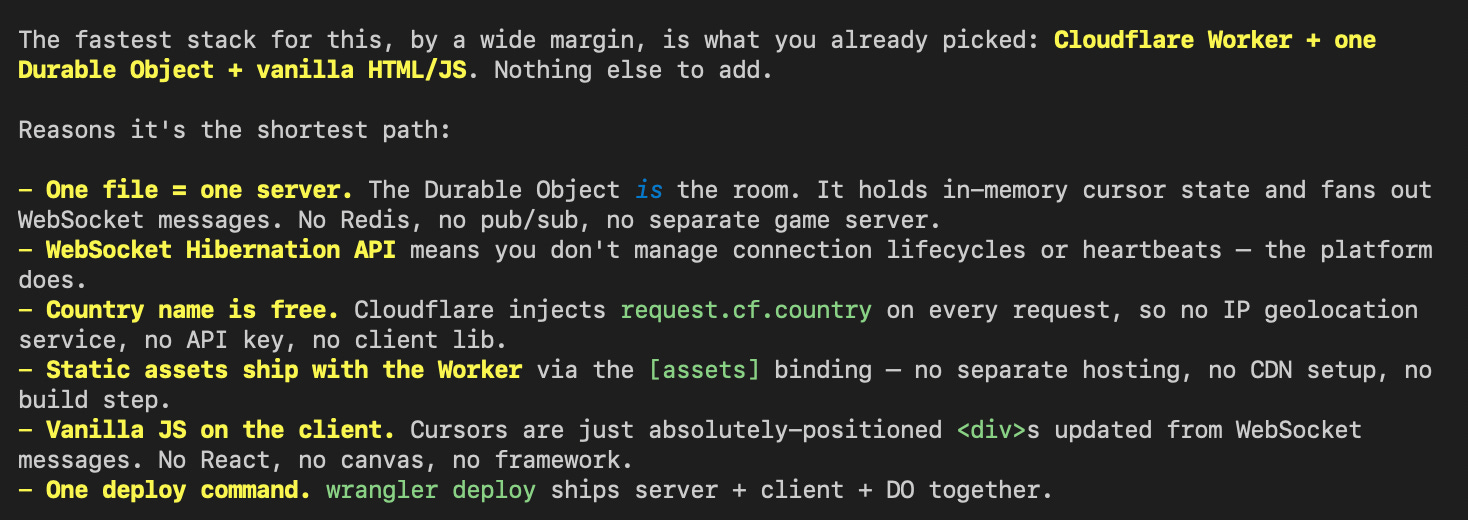
One extra benefit of this is cost; you spend less tokens by choosing the simplest solution that could possibly work.
All of this made me think: as AI agents get better and better at one-shotting apps from scratch, one factor that will determine whether your app gets built in three minutes or three hours is the stack you use.
So if you’re someone who wants to have fun with AI coding tools and build something more complex, like the game above (with multiplayer functionality, country data next to each cursor, and so on) you’ll want to know what’s out there: APIs, services that can host part of your multiplayer functionality, and tools that make the architectural choices easier.