

Peter Steinberger, the creator of OpenClaw, is joining OpenAI. Sam Altman announced it on X: Peter will “drive the next generation of personal agents,” and OpenClaw will “live in a foundation as an open source project that OpenAI will continue to support.”
Let me say this clearly: Peter earned this.
He built something almost 200,000 people have starred on GitHub. That’s something most open source maintainers never accomplish by creating something people notice. And he’s broken out of all of that and made people even outside the tech sphere by creating an agent that most people expected out of the major AI labs.
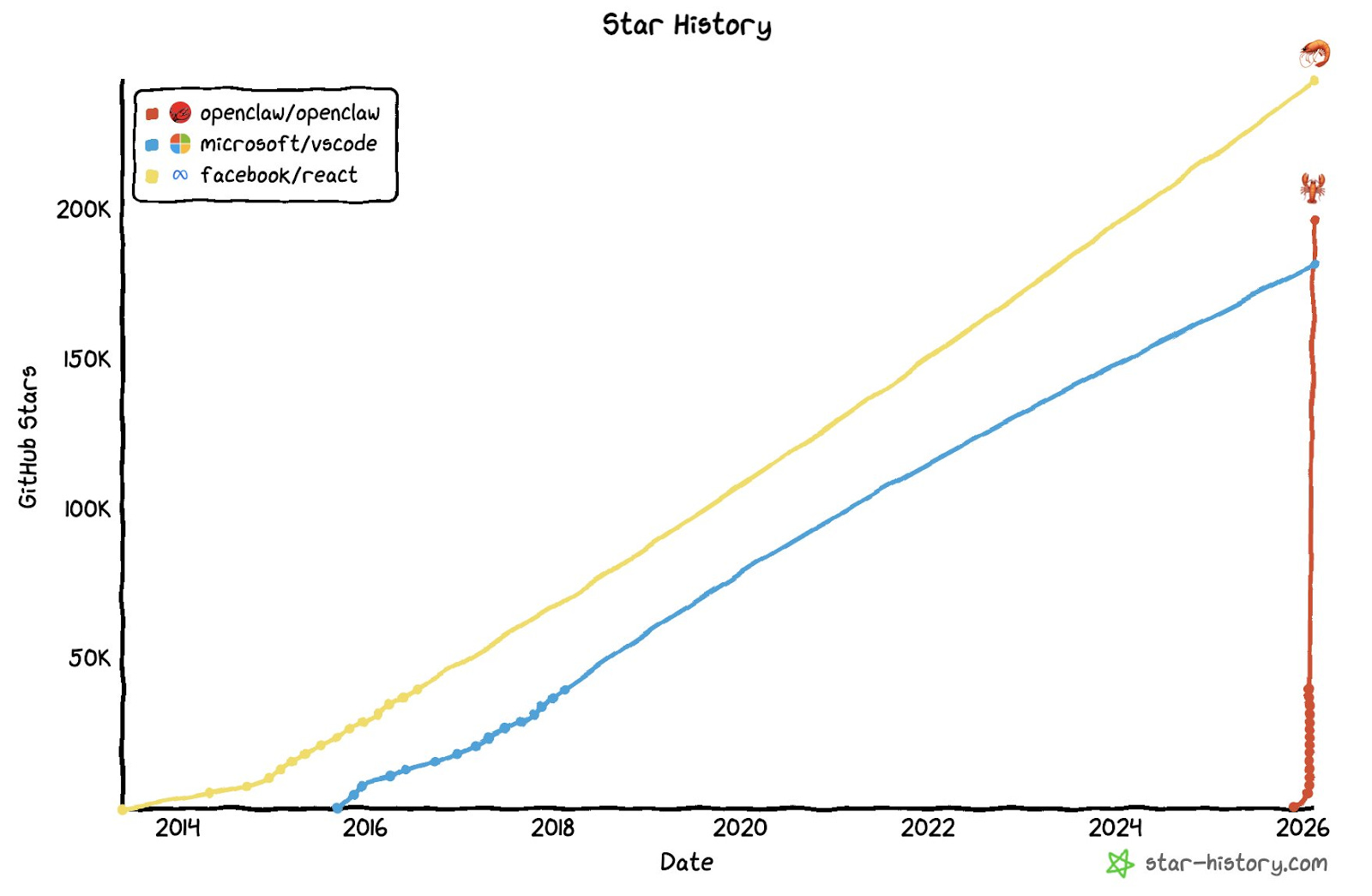
I’ve been running OpenClaw for a few weeks now. My agent (I call it ScuttleBot) manages my email, monitors GitLab issues, drafts blog posts, and handles the boring operational stuff so I don’t have to. It is an agent that is persistent and doesn’t give up easily, which makes it feel more like an “agent” than most things that came before it.
The community has questions
Some on Reddit are calling it “ClosedClaw.” The concerns in my feed today:
Who controls the foundation?
What happens if OpenAI’s commercial interests conflict with the open source project?
Is “supported by OpenAI” the same thing as “independent from OpenAI”?
These aren’t unreasonable questions. They’re the same questions we’ve all been asking for a decade. But I think everyone should take a breath and read Peter’s blog post and think about the scale of the community that already exists around OpenClaw.
What Peter actually said
From his blog post:
“It’s always been important to me that OpenClaw stays open source and given the freedom to flourish. Ultimately, I felt OpenAI was the best place to continue pushing on my vision and expand its reach.”
And:
“What I want is to change the world, not build a large company.”
I believe him. I’ve also been in this industry long enough to know that intentions and outcomes are different things. The foundation will need independent governance, funding, and decision-making. Until those exist, “open” is a promise, not a guarantee.
But in the past, projects that haven’t survived and have gone “closed” typically already had one company whose only business model was to make that particular project profitable. OpenAI - by hiring Peter - is getting more than just OpenClaw. They’re getting the value of his way of looking at agents in the world, which is something they need to do as a business to make OpenAI a long-term valuable business regardless. With or without OpenClaw, the project. And so I think it is okay to be optimistic about the future.
What this means for KiloClaw
We host OpenClaw instances. KiloClaw is literally our hosted OpenClaw product. The value we provide isn’t dependent on which company employs Peter Steinberger. It’s dependent on:
Our ability to run OpenClaw reliably
Our integration with Kilo’s infrastructure
Our understanding of what users actually need from a personal AI agent
The OpenClaw Foundation, with independent governance and sustainable funding, would be to everyone’s benefit. The project getting funding, maintainers, and other resources it never could have gotten on donations alone is a great thing.
If it doesn’t—if “foundation” becomes a placeholder for “OpenAI-controlled”—then the community will fork it. That’s what happened with Elasticsearch, MongoDB, and others. Open source has a way of surviving even when the original project doesn’t.
What I think
Peter Steinberger made a choice. He could have raised funding, built a company, and spent the next five years doing the unglamorous work of turning a viral project into a sustainable business. Instead, he joined a company that will pay for the compute he never could afford and let him focus on the interesting problems.
But here’s the thing about open source: the community matters more than any single maintainer. If OpenClaw’s code lives in a foundation, if people can fork it, if the protocol stays open, and if the community stays healthy, it doesn’t matter as much who’s paying Peter.
The ClosedClaw concern is valid, but it’s also survivable if it were to even happen.
Where this goes from here
Watch the foundation. It will be fascinating to see how it is funded and governed.
Use OpenClaw. The code is still open, and that can’t change for today’s code - and I believe that OpenAI will keep it open
Build on open protocols. The best defense against “ClosedClaw” scenarios is building on genuinely open standards that can’t be closed.
Related:
Good and thoughtful analysis. Thanks for that. We really want OpenClaw to remain strong.
Excellent POV 👍 On that note, when are you launching KiloClaw... Can't wait 🫷