

Over the past two weeks, Kilo presented two ClawCon events: ClawCon NYC on March 4th, and ClawCon Austin on March 12th. Combined, over 2,000 people showed up. Both venues hit capacity, and both made one thing pretty obvious: personal AI agents aren’t an experiment anymore.
People are building real things, running real businesses, and showing up in person to learn from each other.
What Is ClawCon?
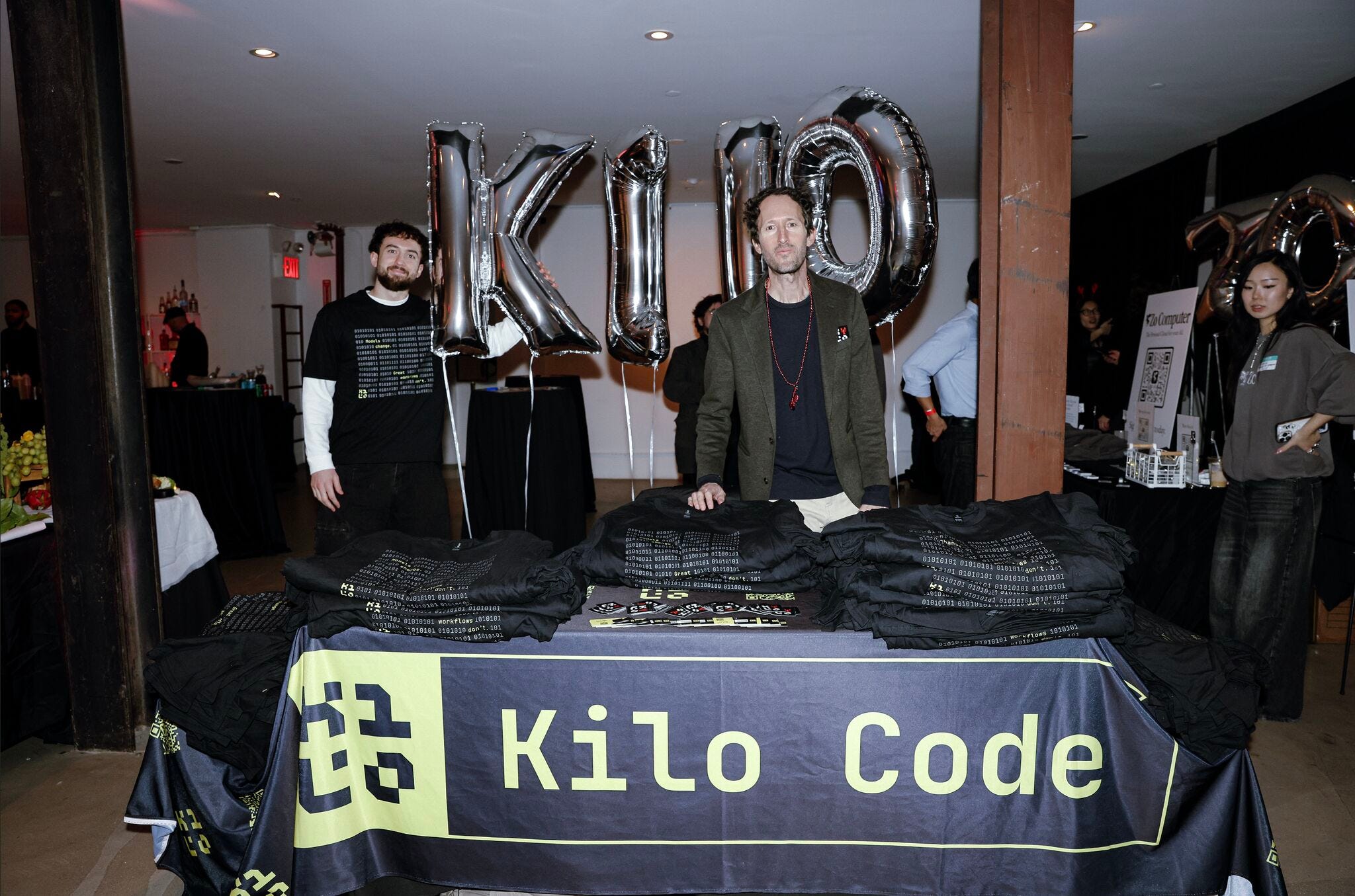
If you haven’t been to one, ClawCon isn’t a traditional tech conference. It grew out of the OpenClaw ecosystem, and the format is simple: doors open, people demo what they’ve built with their personal AI agents, there’s Q&A, and then a lot of unstructured time to just talk to other people who are excited about this technology.
The events are free, there’s no LinkedIn or GitHub screening, and the only barrier to entry is showing up early enough to get through the door before capacity hits. At both NYC and Austin, that happened fast.
OpenClaw has crossed 320,000 GitHub stars and is the fastest-growing open source AI agent in history. It connects to 50+ chat platforms, runs shell commands, controls browsers, manages files, and maintains memory across sessions. The community around it has grown just as fast, and ClawCon is where that community meets in person. (Kilo’s role in all of this: we built KiloClaw, a managed hosting platform for OpenClaw agents that’s natively connected to the Kilo Gateway and its 500+ models. We demoed it at both events. More on that below.)
ClawCon NYC: 1,300 People in Lower Manhattan
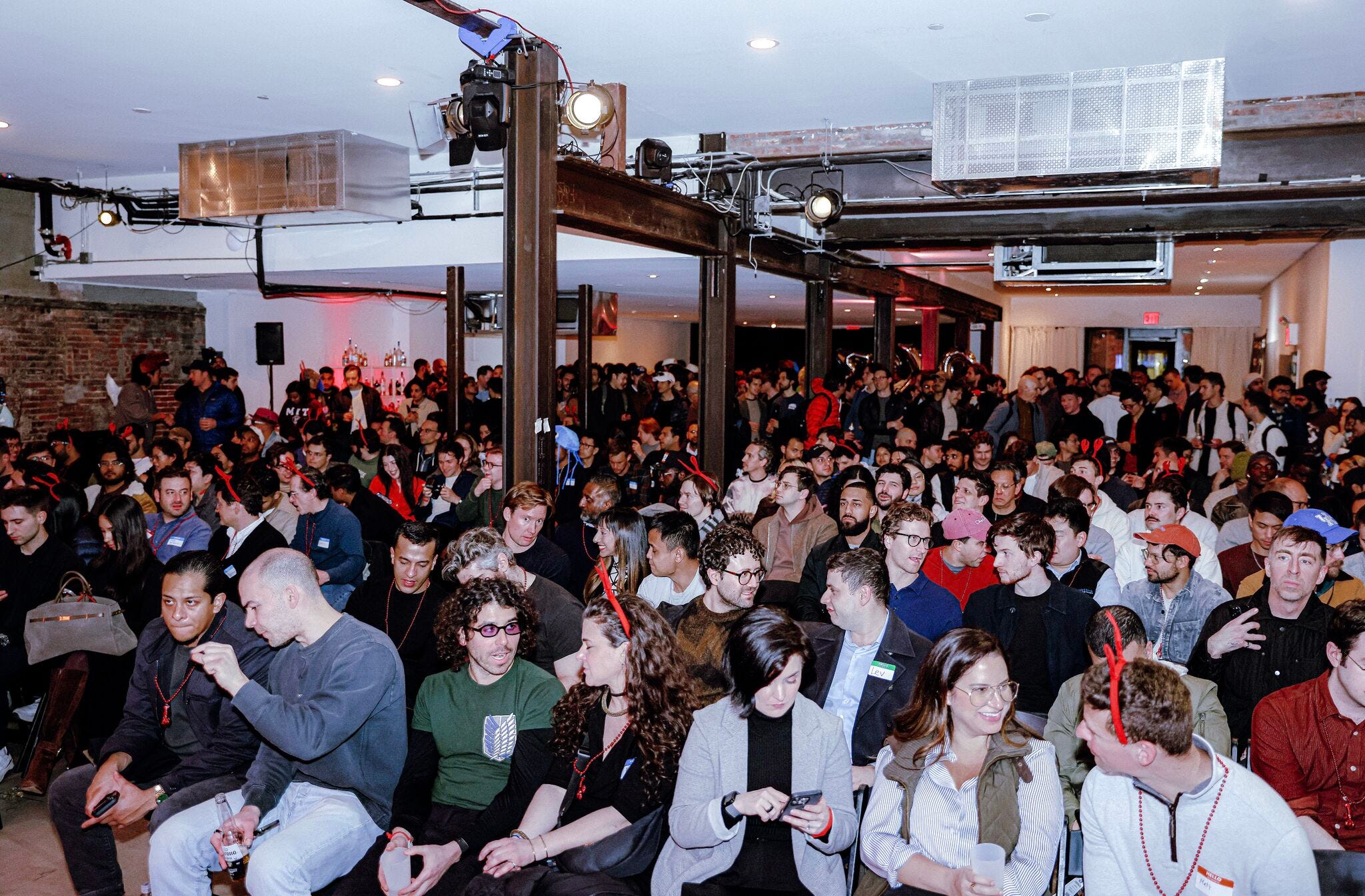
ClawCon NYC took over Ideal Glass Studios in Manhattan on March 4th. 1,313 people RSVPed, the venue filled up well before demos started at 7pm, and the one-in, one-out policy kicked in shortly after doors opened at 6. The crowd was a mix: developers who’ve been running OpenClaw agents for months, people who had never set one up but wanted to learn, founders demoing tools they’d built on top of the ecosystem, and plenty of people who were just curious about what “personal AI” actually means in practice. That range is part of what makes these events work. It’s not a room full of the same person.
The demo portion covered a range of use cases. OpenClaw maintainers walked through recent platform updates, and several community members showed personal workflows they’d built: agents handling email triage, research pipelines, content generation, and task automation across multiple platforms.
One recurring theme was people who had set up OpenClaw agents not just for themselves, but for other people and businesses. The post-event email from ClawCon organizer Michael Galpert specifically called this out, noting that many attendees came looking for help getting their own agent running, while others had already set up “multiple individuals and businesses with their own Claws.” That dynamic — people who build agents helping people who want agents — is becoming its own economy within the community, and it’s exactly the kind of gap that KiloClaw was built to close on the infrastructure side.
The afterparty, sponsored by JellyJelly and Zo.Computer, kept things going. The ClawCon Telegram channel saw a massive influx of new members, the X livestream pulled significant viewership, and the general vibe in the post-event chatter was that the NYC OpenClaw community is bigger and more active than most people realized.
ClawCon Austin: 756 People, Robots, and Teenagers Running Businesses
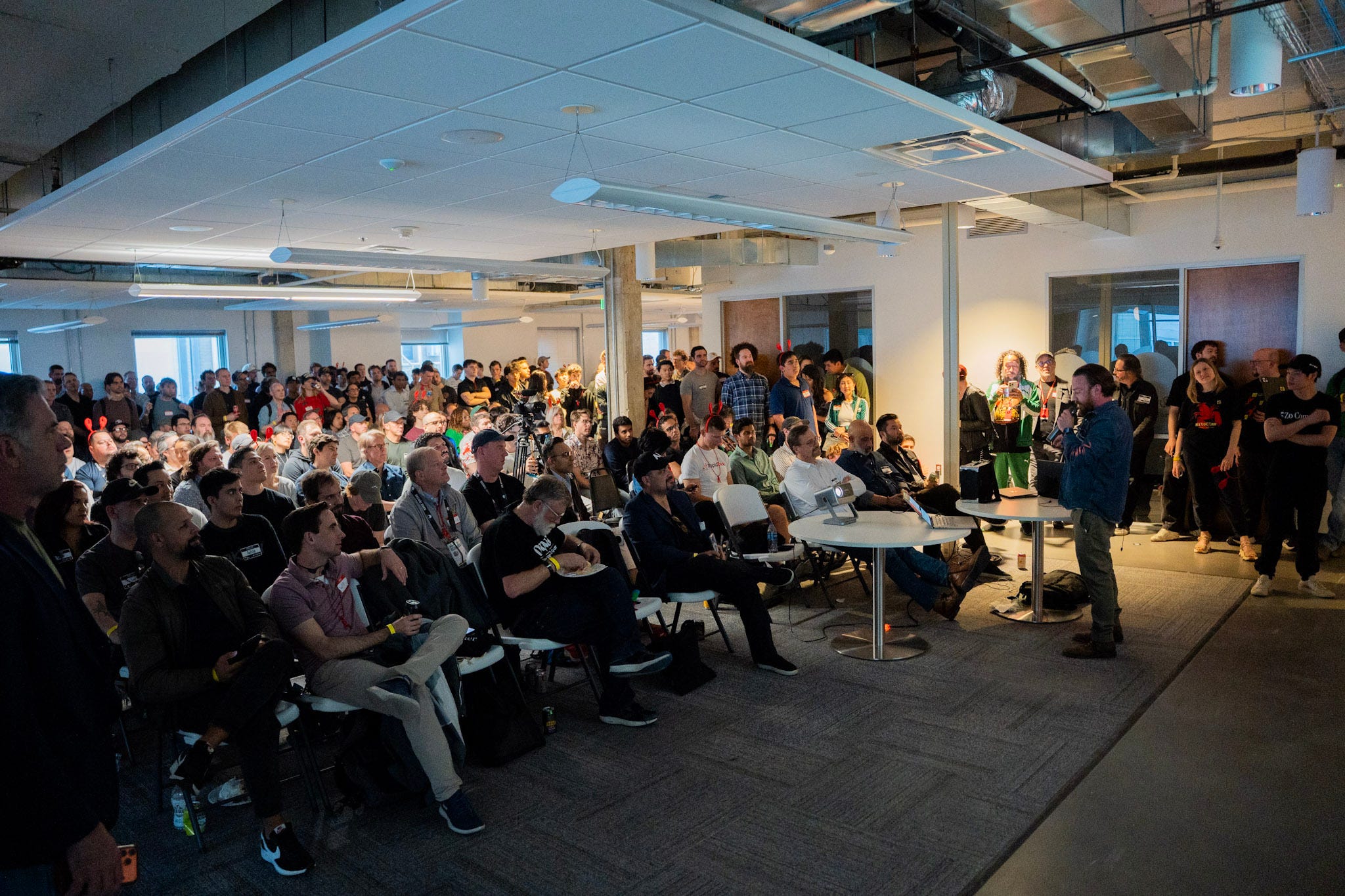
Eight days later, ClawCon hit Austin at Antler VC’s space on Brazos Street. 756 people attended with the same format, and the demo lineup showed just how fast this space is evolving.
Nat Eliason walked through his personal agent “Felix Craft” and how he uses it day-to-day. Nat’s audience skews toward creators and entrepreneurs rather than developers, so seeing how he integrates an AI agent into non-technical work was valuable context for a lot of people in the room.
Austen Allred demoed his agent Kelly and what he calls her “Software Factory” — a workflow where the agent handles significant portions of the development process autonomously.
Thanh Pham presented five distinct OpenClaw use cases he’s built for real, paying clients. This was one of the clearest signals of a maturing ecosystem: people aren’t just building agents for fun, they’re getting paid to build and configure them for others.
Matt Hartman brought a physical robot that he controls with OpenClaw. A physical, moving robot operated by an AI agent. If you want a visceral demo of what agents can do beyond text on a screen, that’ll do it.
And then there were the Alpha School kids. This was the moment that stuck with people.
Branson, a 15-year-old student at Alpha School, has made $30,000 selling OpenClaw agent setup and configuration services. He’s not dabbling — he’s running a business. His classmates demoed alongside him: Ananya built a Reddit bot that automatically finds and engages potential customers, Austin is building edtech products with OpenClaw, and Geetesh is starting a business with his agent.
A 15-year-old generating $30K in revenue doing this says something important about where personal AI is headed: it’s accessible enough for a high schooler to master, and valuable enough that people will pay real money for help. It also hints at where tools like KiloClaw fit in — when you’re setting up agents for other people, the last thing you want is to also be managing their infrastructure.
KiloClaw: What We Demoed
We brought KiloClaw to the stage at both NYC and Austin, and it resonated for slightly different reasons at each event, but the core message was the same: getting OpenClaw running shouldn’t be the hard part.
Here’s the context. OpenClaw is powerful, but self-hosting it is genuinely painful. You’re looking at 30-60+ minutes of SSH, environment configuration, dependency management, and security hardening just to get it stood up. Once it’s running, there’s no auto-restart, no health monitoring, no alerting. If your agent crashes at 3am, you find out the next morning. And every new OpenClaw release means SSH-ing back in, pulling the latest code, hoping nothing breaks, and restarting manually.
KiloClaw eliminates all of that. It’s a fully managed hosting platform for OpenClaw agents, built on the same Kilo Gateway infrastructure that already serves 1.5M+ developers and routes to 500+ AI models. You go from zero to a running OpenClaw agent in under 60 seconds. No SSH, no Docker, no YAML files. One-click deploy, auto-restart on crash, automatic updates, and support for multiple chat platforms including Telegram, Discord, and Slack.
Pricing for KiloClaw is $9/month on a 6-month commit or $25/month standard, and AI inference runs through Kilo Gateway at cost with zero markup — same transparent pricing Kilo has always offered.
In NYC, the crowd skewed toward people who wanted an agent but didn’t want to manage infrastructure, and the number of people who came up to the booth afterward asking “so I can just... have one running tonight?” confirmed the message landed.
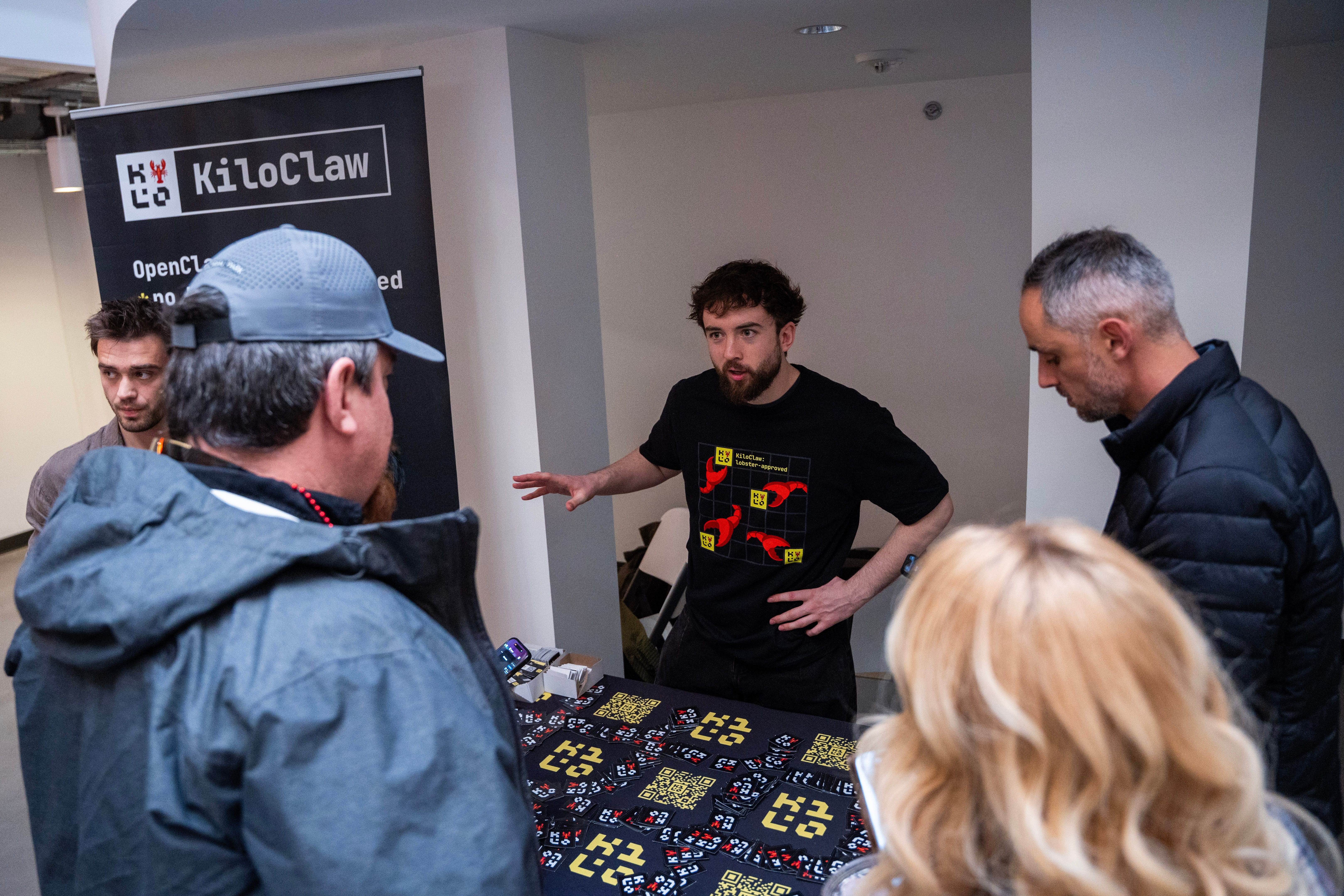
In Austin, the room had a higher concentration of people already building with or on top of OpenClaw, so for them the value was less about easy setup and more about the infrastructure layer underneath: access to 500+ models without juggling API keys across providers, unified billing through the same Kilo account they might already use for the IDE extension or CLI, scheduled tasks and cron jobs so agents can run while you sleep, and enterprise-grade security for when your agent is handling API keys, conversations, and connected accounts for clients.
For someone like Thanh, who’s building agent configurations for paying clients, or Branson, who’s running a services business at 15, the pitch isn’t convenience — it’s reliability. When you’re charging someone for an agent, it can’t crash silently at 3am with no monitoring and no auto-restart. KiloClaw handles that.
The Numbers After Austin
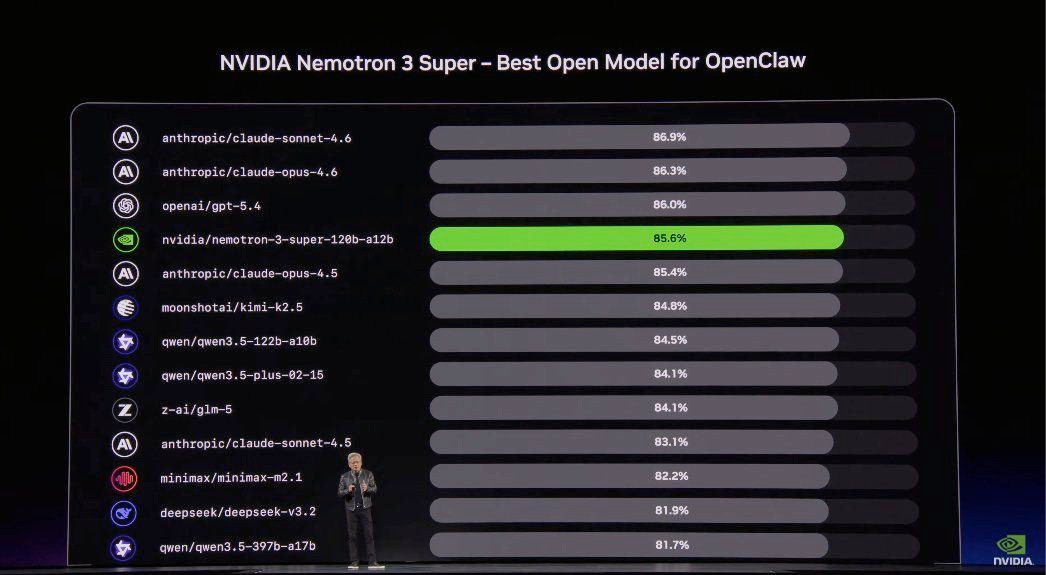
The Austin livestream crossed 120,000 views on X. That same week, both ClawCon and PinchBench, the powered-by-Kilo AI model benchmark for OpenClaw created by our very own Brendan O’Leary, got a shoutout during NVIDIA’s GTC keynote.
That kind of visibility from one of the biggest names in AI hardware isn’t something a community meetup series typically gets, and it says a lot about how quickly the personal AI agent movement has scaled.
What We’re Seeing Across Both Events
A few patterns stood out across NYC and Austin:
Non-developers are showing up. ClawCon isn’t just attracting engineers. Creators, entrepreneurs, small business owners, and students are all in the room. The tools have gotten accessible enough that you don’t need to be a developer to benefit from a personal AI agent, and while you might still need help setting one up, the gap between “interested” and “using one daily” is shrinking fast.
The community is self-organizing. The Telegram group, the demo culture, the organic matchmaking between people who build agents and people who want them — none of this is centrally orchestrated by a company. It’s a community building its own infrastructure, and ClawCon is where it becomes visible.
Personal AI is moving from novelty to utility. The demos weren’t “look at this cool thing.” They were “here’s how this saves me 10 hours a week” or “here’s how this makes me money.” The conversation has shifted from possibility to practice.
What’s Next
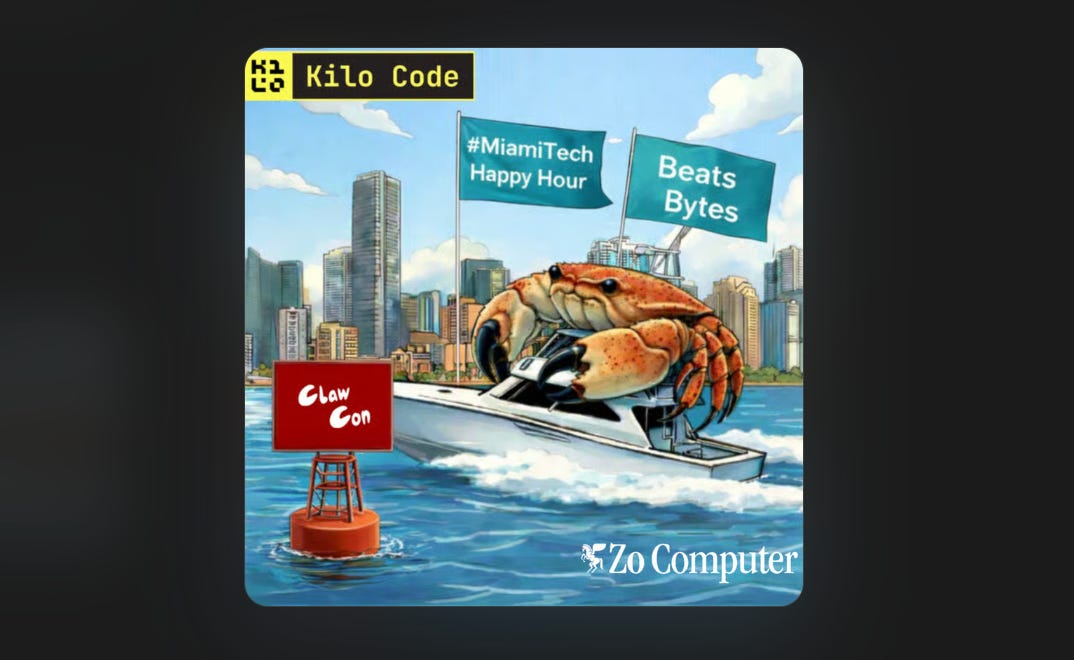
ClawCon Miami presented by Kilo Code is on March 25th, and you can sign up here.
If you want to get your own OpenClaw agent running without dealing with infrastructure, KiloClaw gets you from zero to deployed in under 60 seconds. Your Kilo Code account is your KiloClaw account — no new signup or billing relationship. Just add an agent to your toolkit. Try KiloClaw →
If you want help getting your agent configured with your email, calendar, and key workflows, we also offer a live 1-hour onboarding call to get everything dialed in. Learn more →
And if you were at NYC or Austin — thanks for being there. The energy at both events was something you had to feel in person. See you at the next one!