

Most enterprise teams adopt AI coding tools expecting one thing: faster code output. And sure, that happens. But the teams getting the most out of AI are finding speed in places they didn’t anticipate. The decisions, the handoffs, the context switches, the organizational friction that quietly eats weeks off every quarter. That’s where the real time goes, and that’s where AI has the most room to compress it.
Here are seven of those less-obvious wins, based on what we’re seeing across engineering orgs using Kilo at scale.
1. Decisions that don’t stall in Slack threads
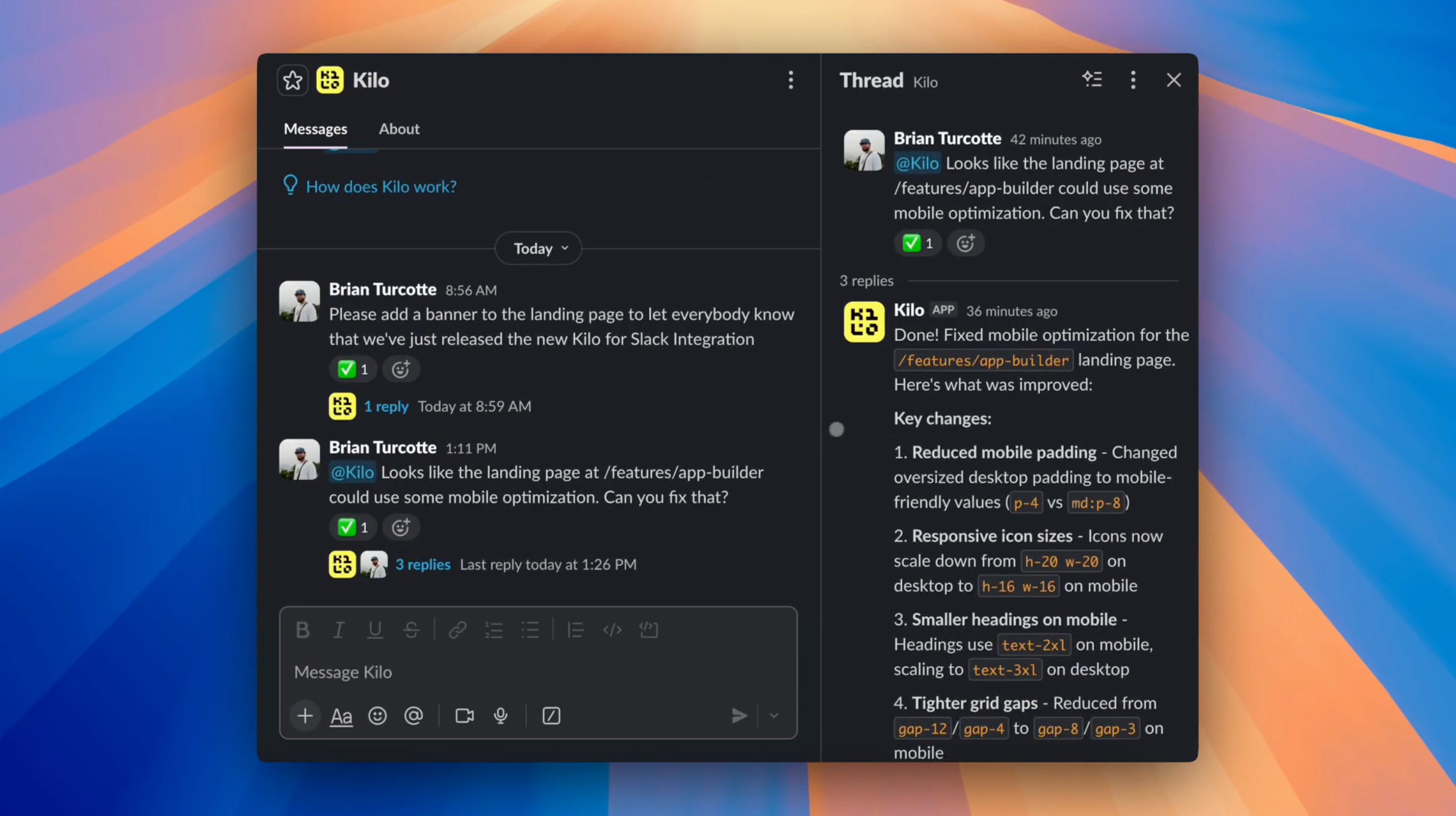
A lot of good engineering decisions happen in Slack threads. Two or three people hash out an approach, agree on a direction, maybe sketch out some pseudocode in a message. Then someone has to take all of that context, switch to their IDE, reconstruct the conversation in their head, and actually implement it. That translation step is where momentum dies. The idea was clear in the thread, but by the time someone sits down to build it, they’re re-reading messages and second-guessing what the team actually agreed on.
Kilo for Slack can read the full thread context, understand what the team discussed, and start implementing directly from the conversation. Instead of someone manually distilling a Slack thread into a ticket and then into code, Kilo picks up the intent from the discussion itself, with all the nuance that multiple contributors added along the way. The gap between “we agreed on an approach” and “someone started building it” shrinks from hours or days to minutes.
For engineering teams, this changes the rhythm of how work gets kicked off. Conversations become the starting point for implementation, not a precursor to yet another handoff.
2. Code contributions from people who aren’t engineers
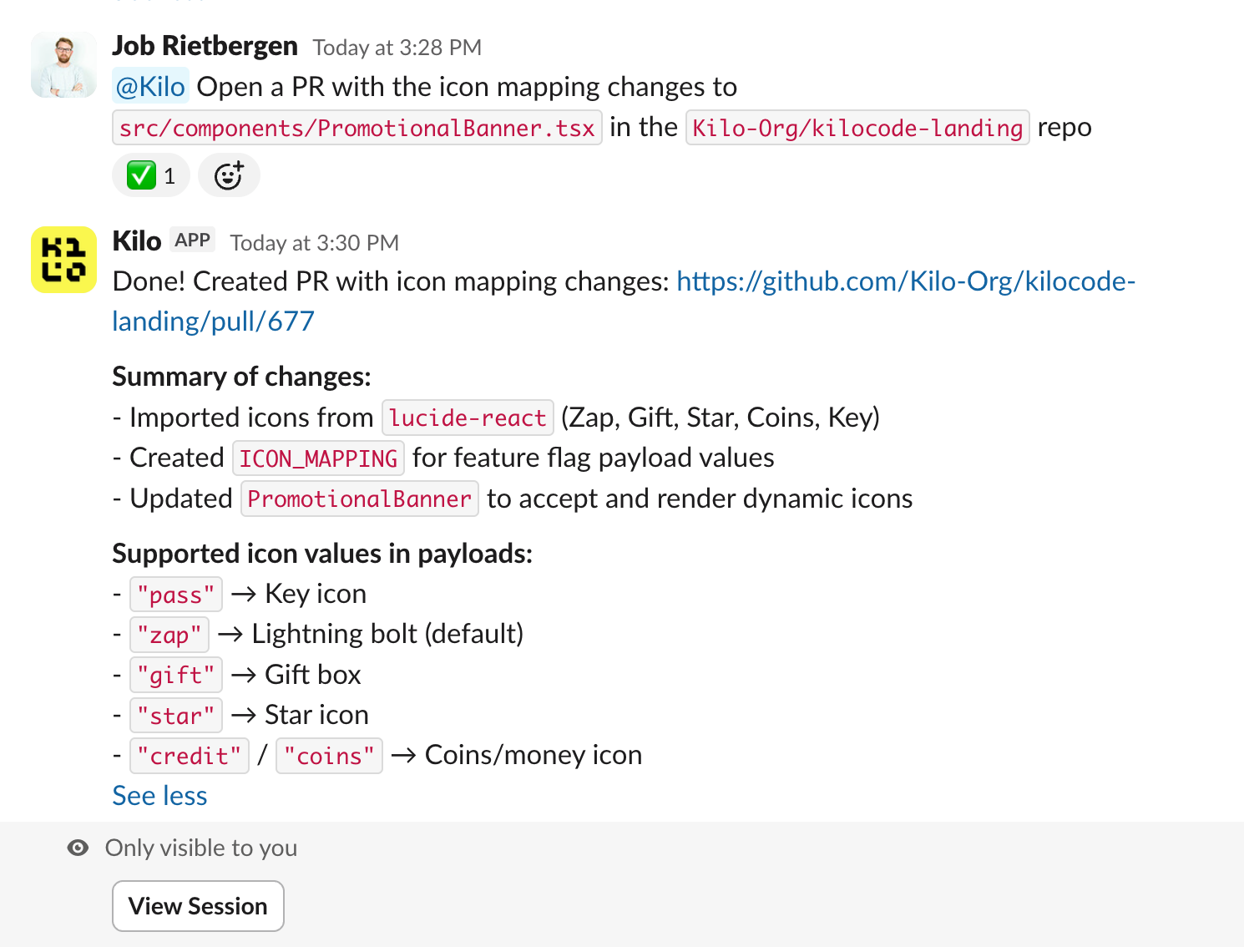
Product managers, designers, data analysts, and other non-engineering team members are able to use AI agents to write and submit code. They can describe what they need, have an agent generate a PR, and push it up for an AI-powered review. Some years ago that PR would have been dead on arrival. The code might work, but it might not follow the team’s conventions, handle edge cases, or meet the bar for production.
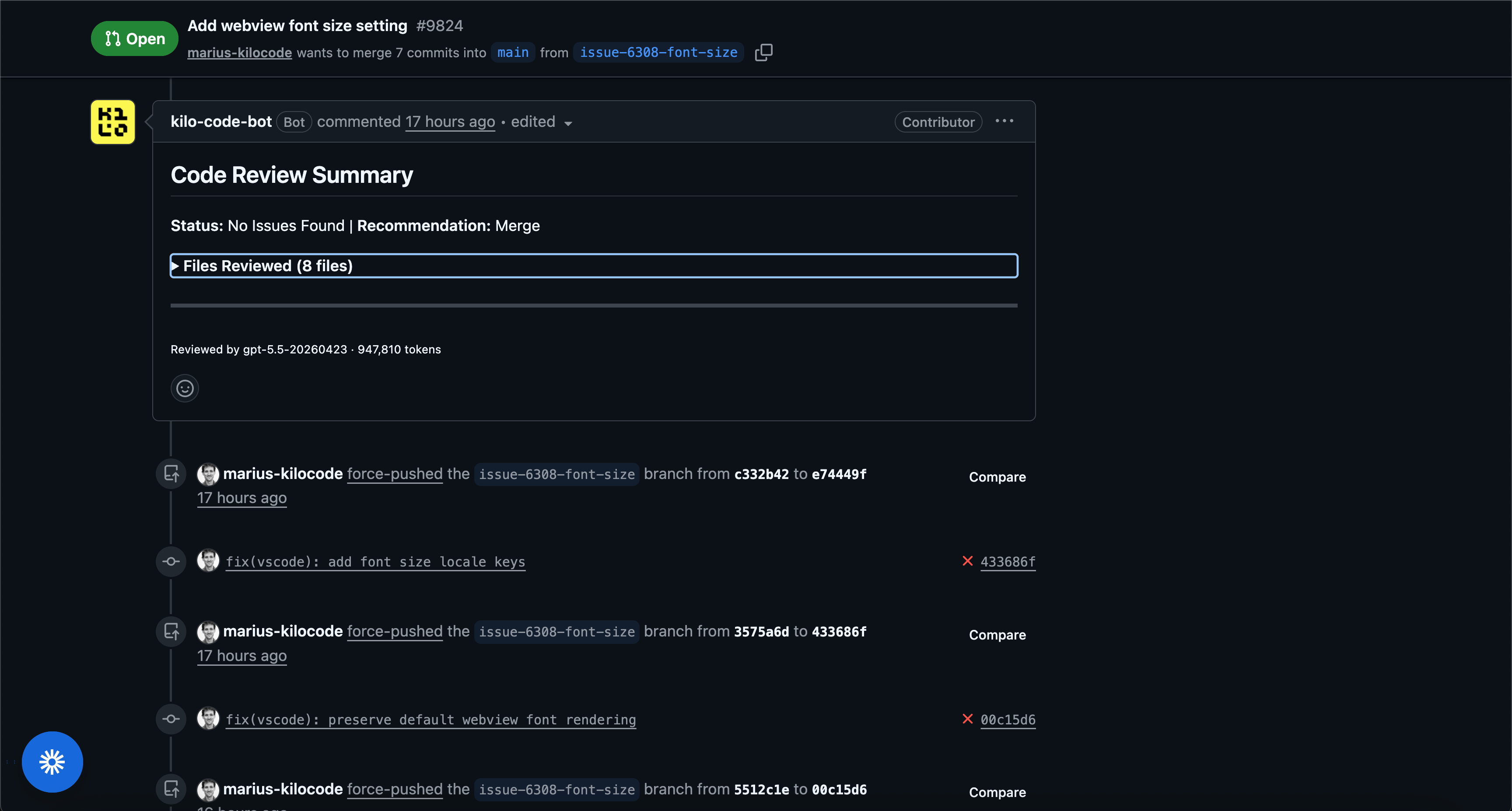
Kilo’s Code Reviewer changes that equation. When a non-engineer submits a PR, the reviewer analyzes it against performance, security, style, and test coverage, then gives structured feedback the contributor can actually act on. The contributor iterates with their agent based on that feedback, resubmits, and the cycle repeats until the code reaches an acceptable level. Each round takes minutes, not days waiting for a human reviewer to find time.
The impact for enterprise teams is significant: work that used to require an engineer’s time from start to finish can now arrive as a reviewable PR from someone outside the engineering org. Engineers still own the final approval, but they’re reviewing and approving instead of building from scratch. That frees up engineering bandwidth in a way that no amount of “write code faster” tooling can match.
3. Onboarding that doesn’t require a sherpa
New engineers joining a large codebase used to spend their first few weeks in a fog. They read docs that are three sprints out of date, ping senior devs with questions that feel stupid, and take twice as long on their first PRs because they don’t understand the conventions yet.
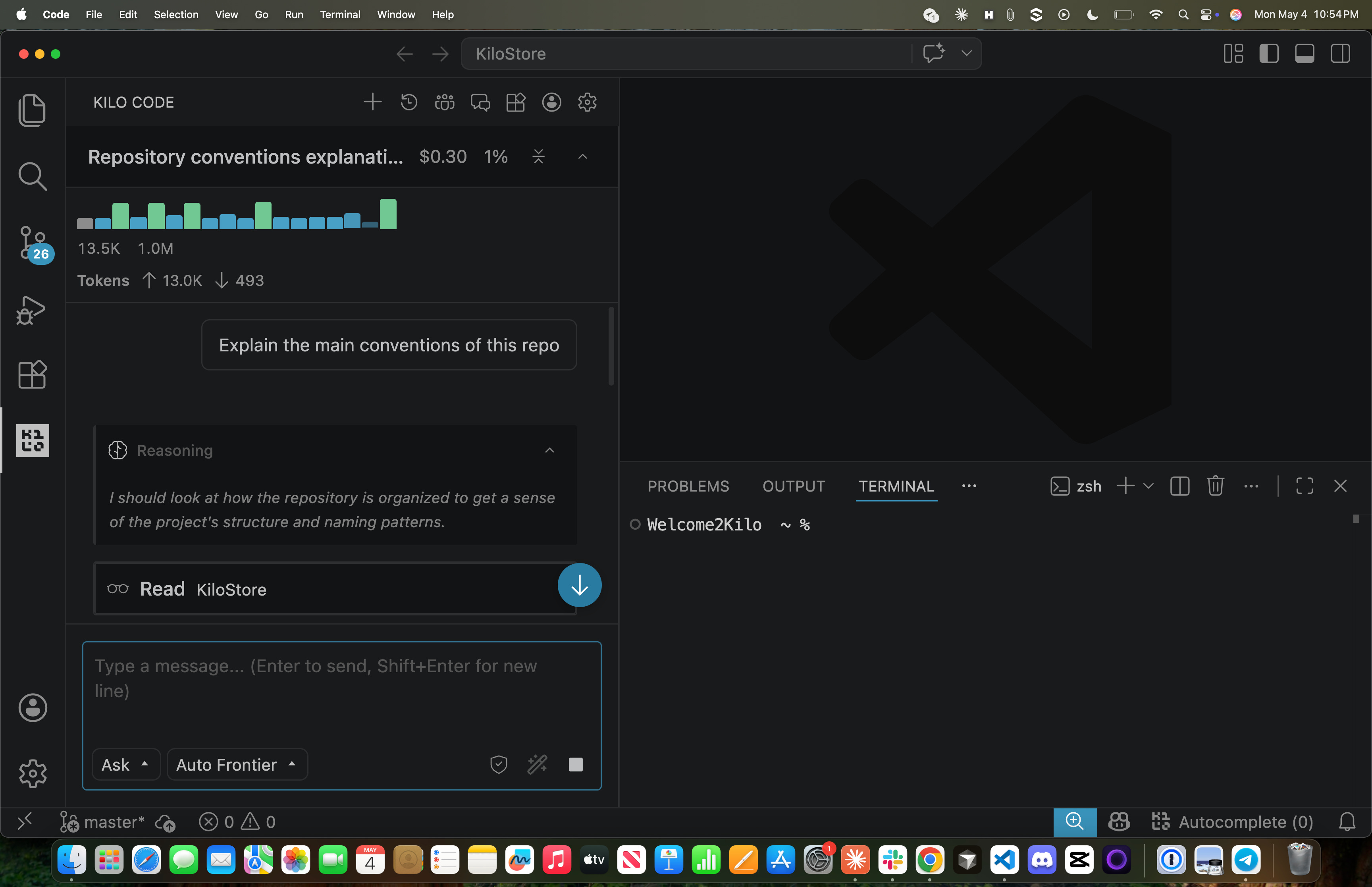
AI changes the dynamic. When a new hire can point an agent at the repo and ask “how does authentication work in this service?” or “what’s the pattern for adding a new API endpoint here?”, they get answers grounded in the actual code, not someone’s best recollection of how things worked six months ago. Kilo’s Ask mode works well here, providing read-only answers powered by codebase indexing. New devs ramp in days instead of weeks, and senior devs get fewer interruptions.
The compounding effect matters: every engineer who onboards faster is productive sooner, and every senior engineer who isn’t answering onboarding questions is shipping their own work.
4. Documentation that actually updates
Every engineering team says they value documentation. Almost none of them have enough of it, because writing docs is tedious and the codebase moves faster than anyone can document manually.
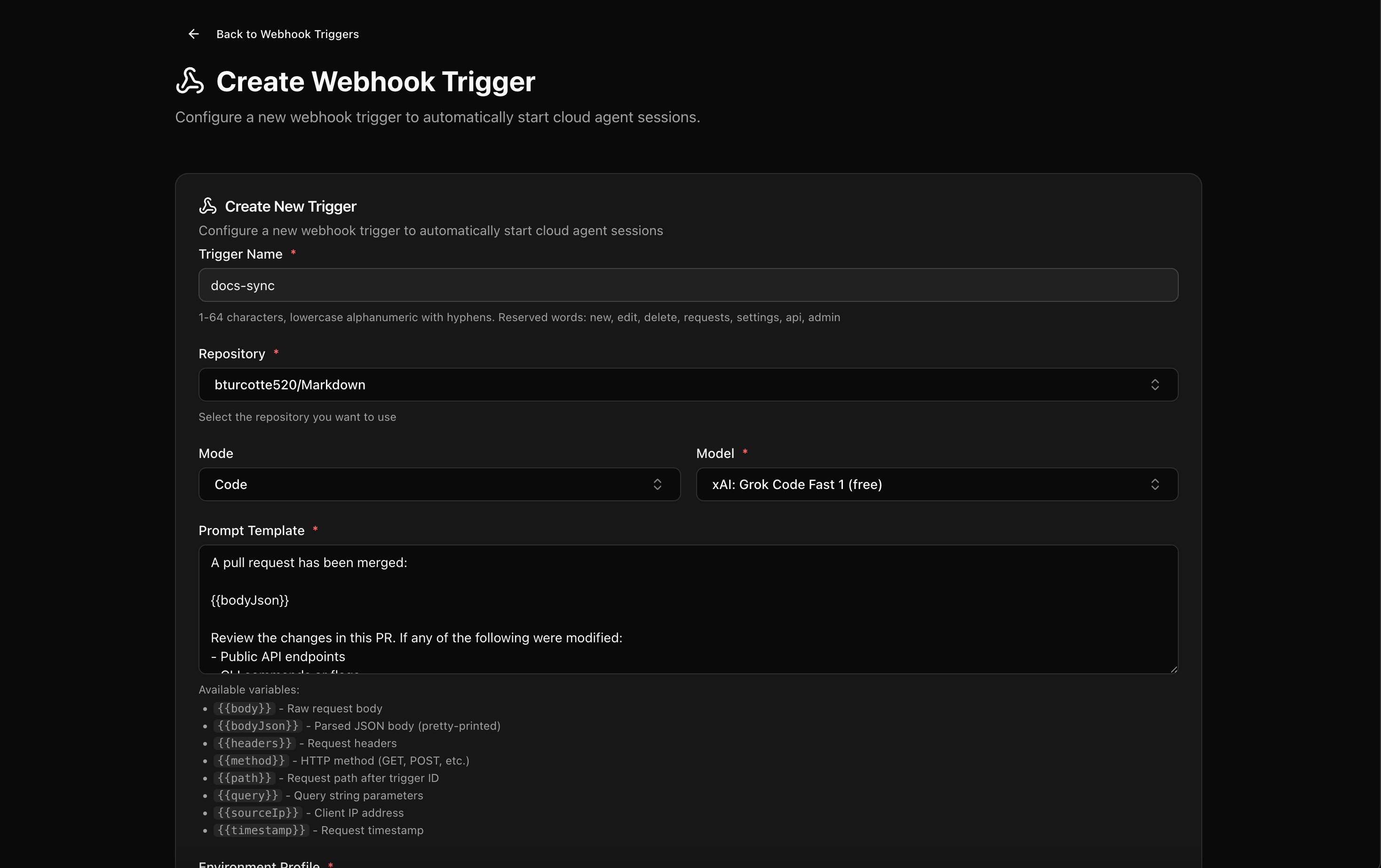
AI flips the economics. Generating docs from code is exactly the kind of structured, pattern-heavy task where AI agents perform well. A developer can point a webhook-triggered Cloud Agent at a new PR and get a first draft of internal docs, API references, or architecture decision records in minutes. That draft still needs a human to review and refine, but the difference between “edit a draft” and “write from scratch” is the difference between documentation existing and not existing.
For enterprise teams, this pays off across the org. Knowledge stops being locked in individual developers’ heads. Teams that depend on each other’s services can actually find out how those services work. The “bus factor” for any given system gets a lot less scary.
5. Maintenance work that stops being a black hole
Every codebase has a backlog of maintenance tasks that never rise to the top of the sprint: dependency upgrades, test coverage gaps, deprecated API migrations, lint rule enforcement. Each one is individually small, but collectively they represent weeks of accumulated drag on the team.
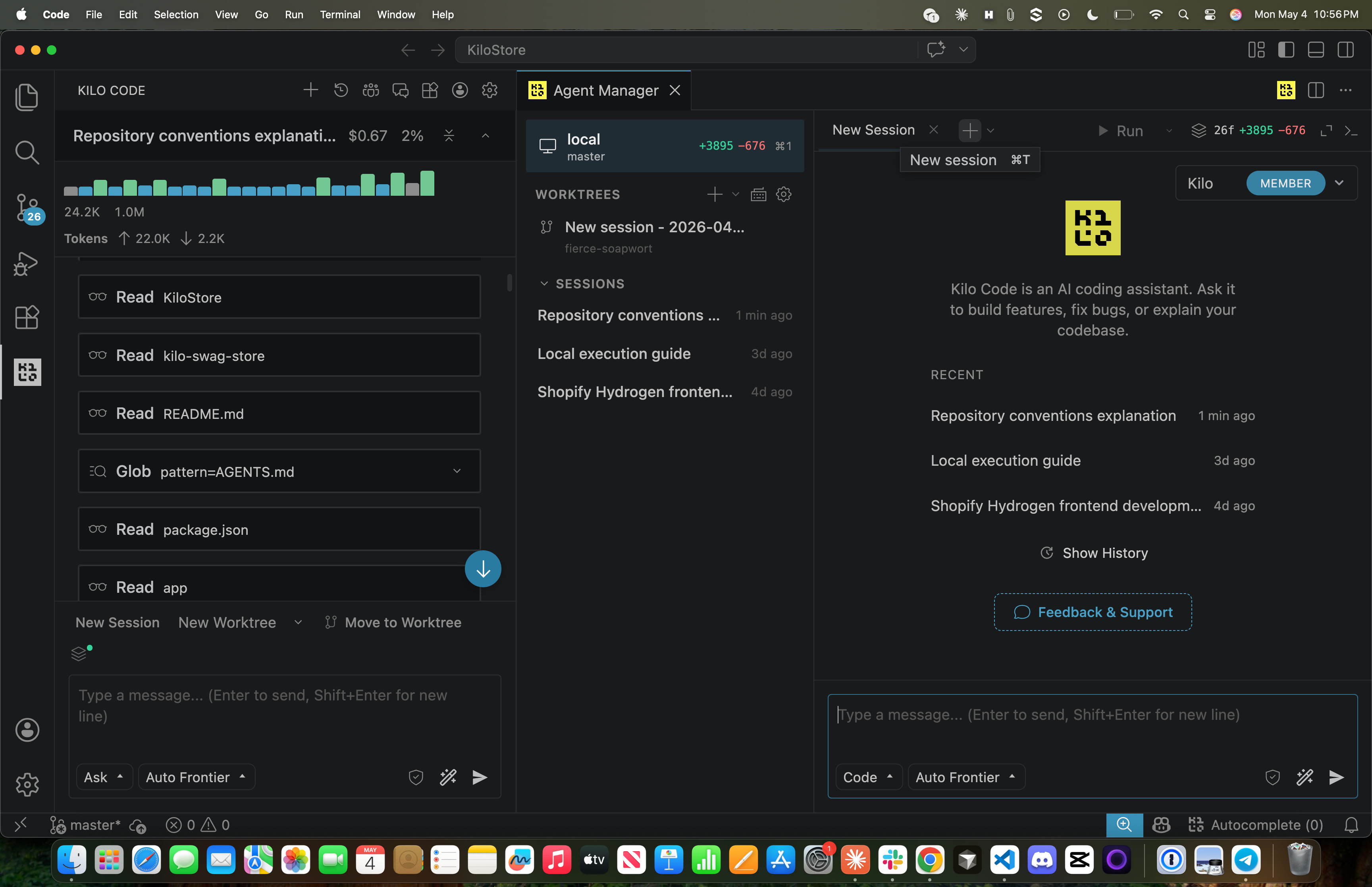
AI agents can handle a lot of this at volume. Kilo’s orchestration capabilities let you break down a large maintenance initiative (say, migrating from one logging library to another across 200 files) into subtasks and distribute them to agents running in parallel. What used to be a quarter-long slog becomes a focused effort measured in hours.
The net effect is that the maintenance backlog actually shrinks instead of growing indefinitely. Teams spend less time working around known issues and more time building features that move the product forward.
6. Cross-team requests that don’t take a sprint
In larger orgs, teams constantly need small things from each other. A backend team needs a new field exposed in an API. A frontend team needs a config change. A platform team needs a migration script. Each request is maybe a day of work for the team that owns the code, but it sits in their backlog for two weeks because it’s nobody’s priority.
When the requesting team can use AI to draft the change themselves (using agents that understand the target repo’s patterns and conventions), the dynamic shifts. Instead of filing a ticket and waiting, they can open a PR with a well-formed change and ask the owning team to review it. The owning team spends minutes reviewing instead of a day implementing, and the requesting team isn’t blocked for two weeks.
This might be the single most impactful change AI enables in enterprise settings, and it almost never shows up in productivity benchmarks.
7. Consistency that doesn’t depend on tribal knowledge
Most large codebases have a “right way” to do things that isn’t fully captured in any linter config or style guide. It lives in the heads of engineers who’ve been around a while, and it gets enforced inconsistently through code review when those engineers happen to be reviewers.
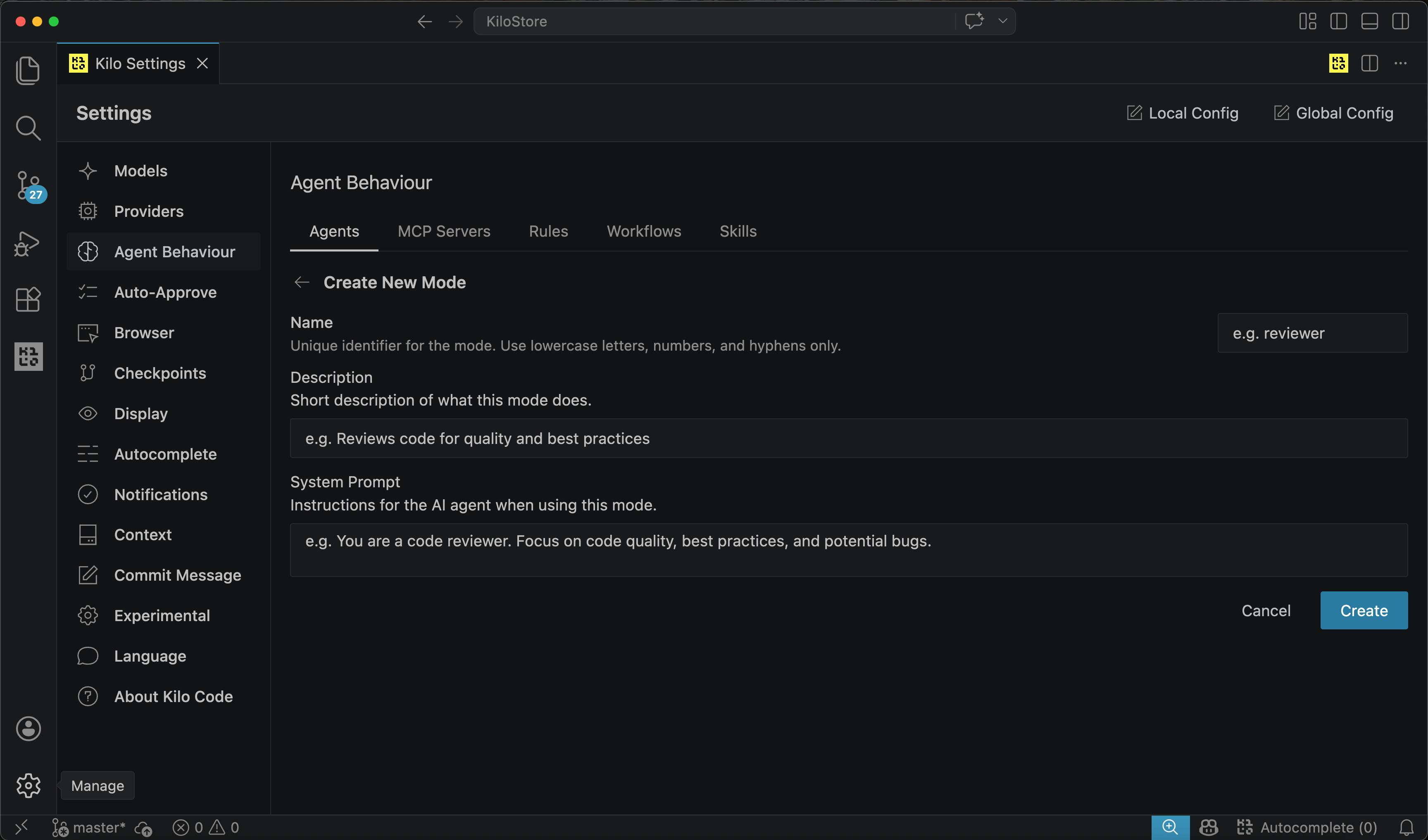
AI can formalize this. Kilo’s custom modes and rules system lets teams encode their conventions, patterns, and preferences so that every developer (and every agent) follows the same playbook. New patterns get adopted uniformly instead of unevenly, and deprecated patterns stop spreading through the codebase via copy-paste.
For enterprise teams managing large, long-lived codebases, this is arguably the most valuable thing AI can do. Consistency across a large codebase reduces cognitive load for everyone who touches it, which makes everything else on this list work better.
None of these seven things are what most people think of when they hear “AI makes developers faster.” They’re not about generating code in fewer keystrokes. They’re about removing the organizational friction, the coordination overhead, and the knowledge gaps that slow engineering teams down far more than typing speed ever did.
If your team is evaluating AI tooling and only measuring lines of code generated or time to first commit, you’re probably missing the real value. The teams getting the biggest returns are the ones that recognized AI as a way to make the whole system move faster, not just individual contributors.
To see how Kilo fits into your engineering org, check out our enterprise plans or talk to our team.